


Planning a bathroom remodel for our homes in arid regions means we need to think about water use. We want our bathrooms to be comfortable and look good, but also be mindful of the limited water we have. This guide will help us pick out the right things to make our bathrooms more water efficient.
Key Takeaways
- Choosing low-flow toilets and water-saving showerheads are big steps for saving water in the bathroom.
- Simple additions like aerators can make a difference in how much water our faucets use.
- Dual-flush systems give us control over water use, letting us pick the right amount for each flush.
Embrace Water Efficient Bathroom Fixtures
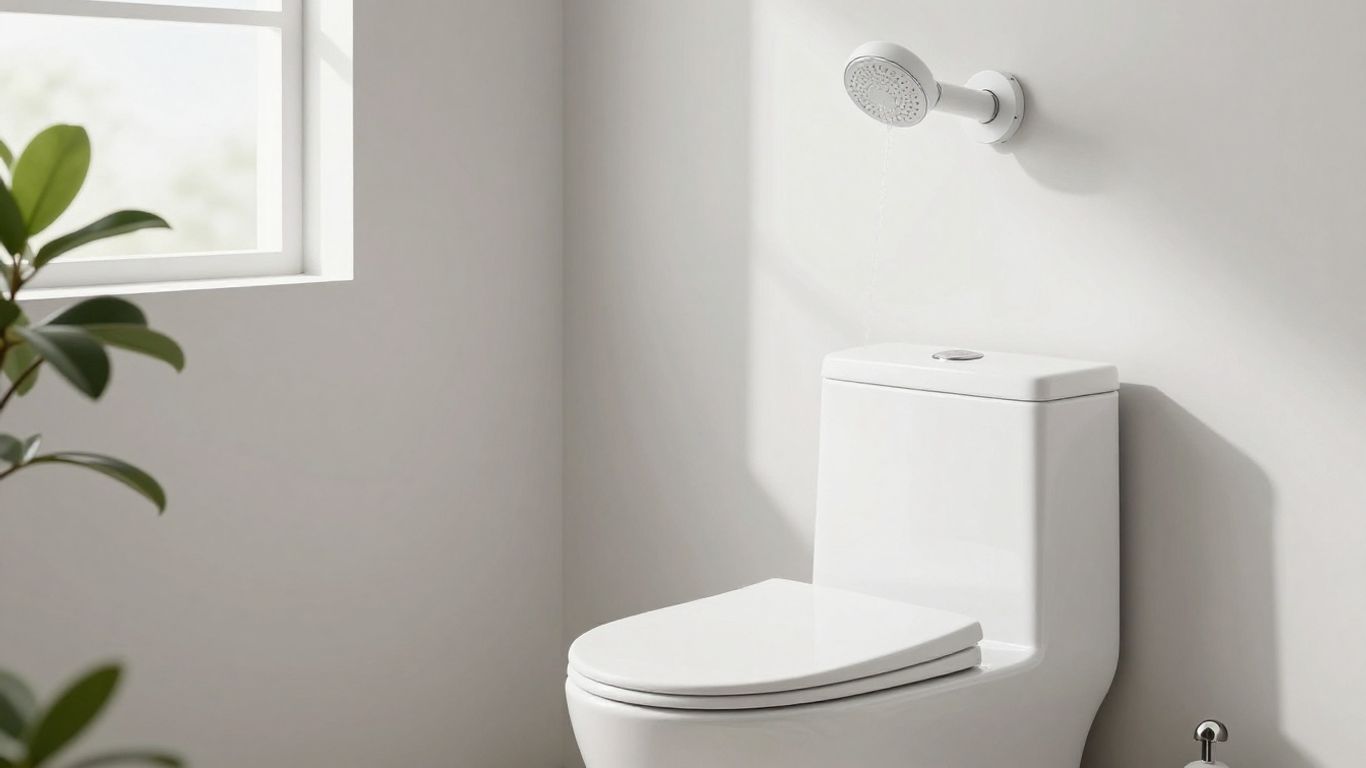
When we think about saving water in our desert homes, the bathroom is a prime spot to focus. It’s where we use a good chunk of our household water, after all. Making smart choices about the fixtures we install can really add up over time, both for our wallets and for the environment.
Low-Flow Toilets: The Foundation of Savings
Toilets are often the biggest water users in the bathroom. Older models can use as much as 3.5 gallons per flush, sometimes even more! That’s a lot of water going down the drain with every use. Upgrading to a low-flow toilet is one of the most impactful changes we can make. Modern low-flow toilets, often called High-Efficiency Toilets (HETs), use 1.28 gallons per flush or less. Some even use as little as 1 gallon per flush. They’ve come a long way in terms of performance, too; you don’t have to worry about them not clearing the bowl effectively.
Here’s a quick look at the difference:
| Toilet Type | Gallons Per Flush (GPF) |
|---|---|
| Older Models | 3.5+ |
| Standard Low-Flow | 1.6 |
| High-Efficiency (HET) | 1.28 or less |
When choosing a new toilet, look for the WaterSense label. This EPA program certifies fixtures that meet strict water efficiency and performance standards. It’s a good sign you’re getting a product that works well and saves water.
Water-Saving Showerheads: Luxury Without the Waste
We all love a good shower, but long, hot showers can use a surprising amount of water. A standard showerhead can let loose 2.5 gallons of water every minute. If you take a 10-minute shower, that’s 25 gallons! That’s a lot of water, especially in a dry climate.
Fortunately, water-saving showerheads, also known as low-flow showerheads, offer a great solution. These fixtures are designed to reduce water usage without sacrificing water pressure or the feeling of a powerful shower. They typically use 2.0 gallons per minute (GPM) or less. Some advanced models even get down to 1.5 GPM or lower.
- Look for the WaterSense label: Just like with toilets, this label indicates water efficiency and performance.
- Consider spray patterns: Many water-saving showerheads offer different spray settings, from a gentle mist to a more invigorating massage, allowing you to customize your shower experience.
- Check the flow rate: The GPM rating tells you how much water the showerhead uses. Lower is better for saving water.
Making these fixture upgrades might seem like a small step, but when we consider the cumulative effect across our homes and our communities, the impact is significant. It’s about being mindful of our resources and making choices that benefit everyone in the long run.
Smart Fixture Choices for Desert Homes
Beyond just the big items like toilets and showerheads, we can make smart choices with smaller fixtures that add up to significant water savings. These are the details that often get overlooked, but they play a big role in how much water we use every day.
Aerators and Faucet Technologies
Think about your faucets. They might seem simple, but the technology behind them has come a long way. Many modern faucets come with built-in aerators. These little screens mix air into the water stream, making it feel like you’re getting more water than you actually are. It’s a simple trick, but it works.
We’ve found that upgrading to aerators with a lower flow rate, often measured in gallons per minute (GPM), can make a real difference. For instance, a standard faucet might put out 2.2 GPM, but we can easily find ones that use 1.5 GPM or even less. This simple swap can reduce faucet water use by nearly 30% without us even noticing a change in pressure.
Here’s a quick look at typical flow rates:
| Fixture Type | Standard Flow Rate (GPM) | Water-Saving Flow Rate (GPM) |
|---|---|---|
| Bathroom Faucet | 2.2 | 1.0 – 1.5 |
| Kitchen Faucet | 2.2 | 1.5 – 1.8 |
Dual-Flush Systems for Optimal Water Use
When we talk about toilets, the dual-flush system is a game-changer, especially in dry climates. Instead of one lever that uses the same amount of water every time, these toilets give us two options: a lighter flush for liquid waste and a full flush for solid waste.
This means we’re not using a full tank of water every single time we use the toilet. It’s a small change in how we operate the fixture, but the cumulative effect on water consumption is quite large over time. We’ve seen households cut their toilet water usage by a good margin just by adopting this system.
Consider these points about dual-flush systems:
- Flexibility: Choose the flush strength based on need, not a one-size-fits-all approach.
- Savings: Significantly reduces water used for liquid waste, which is the most common type of flush.
- Modern Design: Many dual-flush toilets also come with sleek, modern designs that fit well in updated bathrooms.
Making these kinds of smart fixture choices isn’t just about saving water; it’s about being more mindful of our resources. In a desert environment, every drop counts, and these technologies help us live more comfortably while using less.
We’ve also seen some newer faucet designs that incorporate touchless technology. While not directly about flow rate, these can help prevent water from running unnecessarily while we’re washing hands or brushing teeth. It’s another layer of water-saving potential we can consider.
Moving Forward with Water-Smart Bathrooms
So, we’ve looked at a bunch of ways to make our bathrooms work better for us here in the desert. It’s not just about saving water, though that’s a big deal. It’s also about making our homes more comfortable and maybe even saving a bit on our bills. We can pick out new fixtures that use less water without feeling like we’re giving something up. Simple changes, like low-flow showerheads or toilets that don’t need a ton of water to flush, really add up. And hey, if we’re already thinking about a remodel, now’s the perfect time to put these ideas into action. We can create bathrooms that are good for the planet and good for our wallets, all while keeping things looking nice and working well. Let’s get started on making our homes a little more water-wise.
Frequently Asked Questions
Why should we pick special toilets for our bathrooms in dry areas?
In places where water is scarce, like deserts, using regular toilets can waste a lot of water. We should choose low-flow toilets because they use much less water with every flush. This helps us save water and lower our water bills, which is super important when water is a precious resource.
Can we still enjoy a good shower while saving water?
Absolutely! We can install water-saving showerheads that give us a great shower experience without using too much water. These showerheads are designed to mix air with the water, making it feel like there’s more water than there actually is. It’s a clever way to enjoy a refreshing shower while being mindful of our water use.
What are aerators and dual-flush systems, and how do they help us save water?
Aerators are small devices attached to our faucets that limit the amount of water flowing out while still providing good pressure. Dual-flush systems, often found in toilets, offer two buttons for flushing: one for liquid waste that uses less water, and another for solid waste that uses a bit more. Both help us use water more wisely in our homes.
