


As the seasons change, so do the demands placed on our outdoor structures. We’re thinking about how to build carports that can stand up to the strong winds of spring and the intense sun of summer. Our goal is to create durable carport designs that last, protecting our vehicles through all kinds of weather. Let’s look at how we can make them strong and smart.
Key Takeaways
- We need to pay attention to the foundation. A strong base is key to keeping a carport from moving or getting damaged when the wind picks up. We should make sure it’s set deep enough and is sturdy.
- The materials we choose for the roof matter a lot. We should pick things that can handle both strong winds and lots of sun without breaking down or fading. Metal or strong composite materials are good options.
- Thinking about how the air moves under the carport is important for sun protection. Good airflow can help keep the temperature down, which is better for our cars and anything stored there.
Engineering Durable Carport Designs For Seasonal Extremes
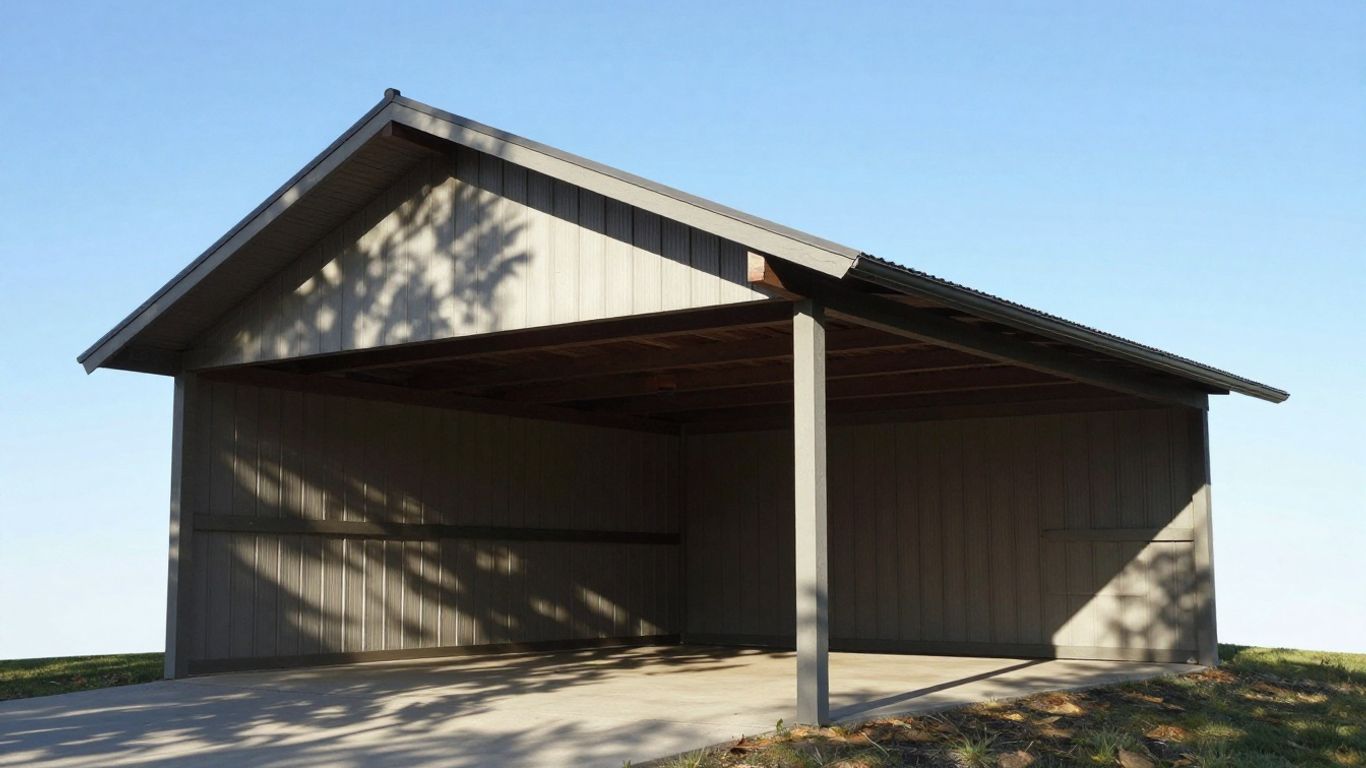
When we think about building a carport, we often focus on how it looks or how much it costs. But we really need to consider how it will hold up against the weather, especially here where we get some pretty wild spring winds and then bake under the summer sun. It’s not just about shade; it’s about making sure our cars and the structure itself are protected year after year.
Foundation Strength For Wind Resistance
This is where it all starts. A weak foundation means a weak carport, especially when the wind picks up. We’ve seen too many flimsy structures get tossed around or even collapse during storms. The foundation needs to be robust enough to anchor the entire carport firmly to the ground. We’re talking about more than just a few concrete blocks. Depending on your soil type and local wind codes, this might involve:
- Pouring deep concrete footings that go below the frost line.
- Using reinforced concrete piers for added stability.
- Securing posts with heavy-duty anchor bolts that are properly embedded.
We need to look at the wind load ratings for our area. This isn’t just a number; it tells us how much force the wind can exert on the structure. A good builder will calculate this and design the foundation accordingly. It’s about preventing uplift and lateral movement. We don’t want our carport acting like a sail.
Building a carport that can handle strong winds requires careful planning of its base. It’s the most important part for keeping it steady when the gusts come.
Roofing Materials To Withstand Elements
The roof takes a beating, from heavy rain and hail in the spring to intense UV rays and heat in the summer. Choosing the right roofing material is key to longevity. We want something that won’t warp, crack, or fade easily. Some good options we’ve looked into include:
- Galvanized Steel: It’s strong, relatively inexpensive, and holds up well against corrosion and impact. We just need to make sure it’s coated properly.
- Aluminum: Lighter than steel but still very durable. It doesn’t rust, which is a big plus, and it reflects heat well.
- Polycarbonate Panels: These are great for letting light through while blocking UV rays. They are also quite impact-resistant, good for hail.
We also need to think about the pitch of the roof. A steeper pitch helps water and snow slide off more easily, reducing the load on the structure. And don’t forget the fasteners – they need to be weather-resistant too, so they don’t become weak points over time. It’s all about creating a shield that lasts.
Maximizing Longevity With Smart Carport Construction
When we think about building a carport that lasts, it’s not just about putting up a roof. We need to be smart about how we put it together, especially considering how it will hold up over time against different weather. Choosing the right materials and thinking about airflow are key to making sure our carport stays strong and useful for years to come.
Choosing Resilient Frame Materials
The frame is the backbone of any carport. For longevity, we’ve found that certain materials just perform better. We often look at:
- Galvanized Steel: This is a popular choice because the zinc coating protects the steel from rust and corrosion. It’s strong and holds up well, even in damp conditions. We make sure the gauge of the steel is appropriate for the expected loads.
- Aluminum: Lighter than steel, aluminum is naturally resistant to rust. It’s a good option if we’re concerned about weight or if we’re in a coastal area with salt in the air. While it might not be as strong as heavy-duty steel, modern aluminum alloys are quite robust.
- Treated Lumber: For a more natural look, we sometimes use pressure-treated wood. It’s treated to resist rot, insects, and decay. However, it does require more maintenance than metal options, like occasional sealing or staining, to keep it looking good and performing well.
We always check the specifications for wind load ratings and snow load capacity when selecting frame materials. It’s better to overbuild slightly than to have issues down the road.
Considering Ventilation For Sun Protection
While we often think of carports protecting from rain and snow, they also take a beating from the sun. Intense summer heat can degrade materials over time and make the space underneath uncomfortably hot. Good ventilation helps manage this.
- Open Sides: Leaving the sides of the carport open is the simplest way to allow air to circulate freely. This prevents heat from getting trapped.
- Roof Vents: For more enclosed designs, we can incorporate roof vents. These allow hot air, which rises, to escape from the highest point of the carport.
- Airflow Channels: Sometimes, the design itself can create channels for air to move. This might involve specific spacing between roof panels or structural elements that don’t block the breeze.
Proper airflow doesn’t just keep the temperature down; it also helps to reduce moisture buildup, which can lead to mold or mildew on vehicles or the carport structure itself. It’s a simple step that makes a big difference in the overall comfort and longevity of the space.
We’ve seen that carports with good ventilation tend to stay cooler, which is better for the vehicles parked underneath and makes the carport itself less prone to heat-related wear and tear. It’s a win-win for keeping things protected.
Wrapping Up Our Carport Project
So, we’ve gone through the steps to get our carport ready for whatever the weather throws at us. It wasn’t always easy, and there were definitely moments we wondered if we’d made the right choices. But looking back, putting in the effort to build something sturdy and smart makes a lot of sense. We’re feeling pretty good about having a solid spot for our cars, protected from those strong spring gusts and the hot summer sun. Hopefully, this gives you some ideas for your own place. It’s worth the work to have that extra peace of mind.
Frequently Asked Questions
How do we make sure our carport stays put when it’s windy?
To keep our carports strong against strong winds, we focus on a solid base. This means digging deep and using strong concrete for the foundation. We also make sure the posts are securely attached to this base, like anchoring a strong tree, so the whole structure doesn’t get blown away.
What kind of roof is best for protecting cars from both wind and sun?
We select roofing materials that can handle tough weather. For wind, we look for materials that are smooth and don’t catch the breeze too much, and are firmly attached. For the summer sun, we choose materials that reflect heat or are a lighter color to keep the car underneath cooler. Think of it like wearing a light-colored shirt on a sunny day.
Does airflow matter for a carport, especially in hot weather?
Yes, airflow is super important! When it’s hot, we design carports with openings or gaps that let the hot air escape. This helps keep the temperature down, preventing your car from feeling like an oven. Good airflow also helps prevent moisture buildup, which is good for the car and the carport itself.
