


Living in a desert climate means dealing with serious heat. When it comes to our homes, we want to stay cool without running up huge energy bills. That’s where picking the right windows and doors comes in. We’ll look at what makes windows and doors good for hot places and how to put them in right.
Key Takeaways
- For energy efficient windows desert homes need glass that blocks heat and frames that don’t warp in the sun. Look for low-E coatings and strong frame materials.
- When choosing doors, check their insulation value. Materials like fiberglass or solid wood with good seals help keep the hot air out.
- Proper installation matters a lot. Make sure windows and doors are sealed well and consider how much sun they get directly. Shading can make a big difference.
Key Features of Energy Efficient Windows for Desert Homes
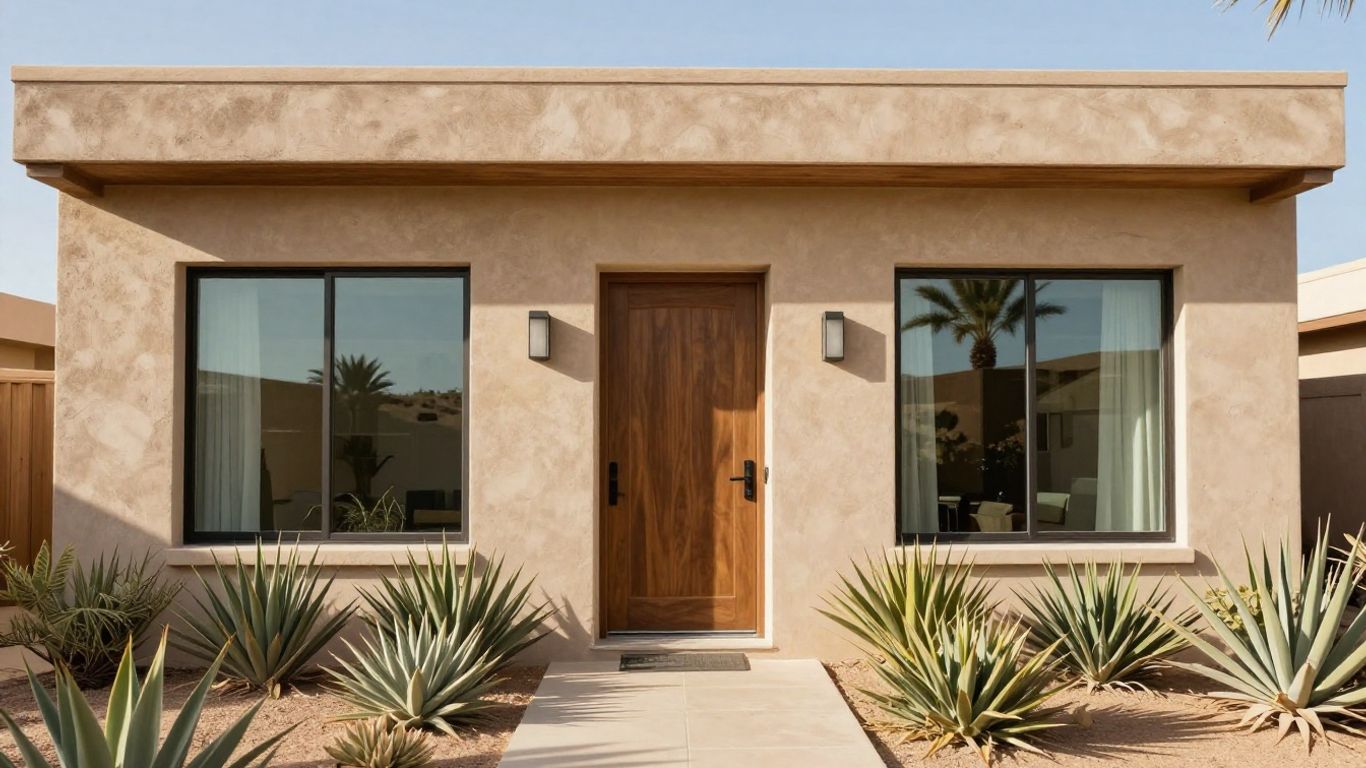
When we’re picking out windows for a home in a hot climate, we’ve got to think about how they’ll handle all that sun and heat. It’s not just about looks; it’s about keeping our houses cool without running the AC 24/7.
Low-Emissivity Glass and Heat Resistance
So, what’s the deal with low-emissivity, or low-E, glass? Basically, it’s glass that has a special coating on it. This coating is super thin, almost invisible, but it does a couple of important things. First, it reflects heat. In the summer, this means it bounces a lot of the sun’s heat back outside, so less of it gets into our homes. In the winter, it helps keep the heat we do have inside. For desert living, that summer reflection is the big win.
We also need to consider how well the glass itself can handle heat without warping or degrading over time. Some types of glass are just tougher than others. Look for windows that specify their solar heat gain coefficient (SHGC). A lower SHGC means less solar heat gets through the window. We’re aiming for numbers below 0.25 for really hot areas.
Here’s a quick look at what to aim for:
- Low SHGC: Aim for 0.25 or lower.
- Low U-factor: This measures how well a window prevents heat from escaping. In hot climates, we want a low U-factor too, typically 0.30 or lower, to keep cool air in.
- Multiple Panes: Double or even triple-pane windows with inert gas fills (like argon or krypton) between the panes add extra insulation.
Choosing the right glass is like putting on a good pair of sunglasses for your house. It blocks the harsh glare and heat, making everything inside much more comfortable.
Framing Materials That Withstand Extreme Temperatures
The frame around the glass is just as important. We don’t want frames that get so hot they transfer that heat into the house, or frames that crack and warp from constant sun exposure.
- Vinyl: This is a popular choice because it’s affordable and a pretty good insulator. It doesn’t conduct heat well, which is a plus. However, some cheaper vinyl can become brittle over many years in intense sun. Look for reinforced vinyl for better durability.
- Fiberglass: This is a really strong option. It expands and contracts very little with temperature changes, meaning it’s less likely to warp or crack. It’s also a good insulator.
- Wood: While beautiful, wood frames can be a mixed bag in the desert. They insulate well naturally, but they require a lot of maintenance to protect them from sun damage, moisture (even in the desert, humidity can be an issue), and pests. If you go with wood, make sure it’s properly sealed and consider a lighter color to reflect more sun.
- Aluminum: These frames conduct heat very easily, so they’re generally not the best choice for energy efficiency in hot climates unless they have a thermal break. A thermal break is a piece of insulating material that separates the inside and outside parts of the metal frame, stopping heat transfer.
We found that fiberglass frames offered the best balance of durability and insulation for our desert home. When you’re looking at frames, ask about their thermal performance and how they hold up to UV rays and extreme heat over the long haul.
Selecting Doors Designed to Combat Desert Heat
It’s not just our windows that matter during a desert summer. The right door can make a huge difference in our comfort—and our energy bills. I’ll walk through what we should consider when picking doors that help us fight back against that relentless sun.
Understanding Insulation Ratings for Entryways
Door insulation is measured in two main ways: the R-value and the U-factor. The higher the R-value, the better the door’s ability to block heat. The U-factor is the opposite: lower numbers mean less heat sneaks through.
Here’s a simple comparison table:
| Door Type | Typical R-Value | Typical U-Factor |
|---|---|---|
| Solid Wood | 2-3 | 0.35-0.50 |
| Insulated Steel (Foam Core) | 5-7 | 0.15-0.25 |
| Fiberglass (Insulated, Foam) | 5-6 | 0.17-0.25 |
| Hollow-Core (Avoid for Desert) | 1-2 | 0.50+ |
When we’re shopping, it’s worth comparing these numbers. Every bit of insulation helps, especially on those 110°F days. Paying a little more for a well-insulated door often leads to lower cooling costs.
Best Door Materials for High-Temperature Climates
Materials really matter in extreme heat. Here’s what we should look for:
- Fiberglass doors: They stay cool to the touch and resist warping. Their foam core stops a lot of heat coming in.
- Steel doors with insulated cores: Tough outside, insulated inside, these handle heat well and also give us added security.
- Avoid solid metal or hollow doors: They heat up fast and let a lot of hot air sneak through.
- Wood doors are classic, but in dry climates, they tend to crack and fade unless well maintained.
Good entry doors do more than look nice—they help keep the chilled air inside, and that matters a lot where summer seems endless.
To sum it up, we want to focus on the numbers (R-value, U-factor), and pick materials built to handle the heat. That way, our AC can finally catch a break, and we might just enjoy walking barefoot across the tile again.
Installation and Orientation Tips for Optimal Cooling
When it comes to keeping our desert homes cooler, how we install and place windows and doors can make a big difference. Even the best materials can fall short if we don’t get these steps right. Here’s how we can get the most out of our energy-efficient choices.
Maximizing Shade and Minimizing Direct Sun Exposure
One thing we notice in our area is just how much the sun blazes, especially in the afternoon. Positioning windows and doors thoughtfully can really cut down on unwanted heat.
- Place larger windows facing north or south when possible to limit harsh sun from the east and west.
- Use exterior shading, like awnings, pergolas, or shade trees, to block sunlight before it hits the glass.
- Consider lighter roof overhangs above south-facing windows to shield them during the hottest months.
Orientation isn’t only about where we put things; it’s also about using what’s around us to help create a buffer from the heat.
Proper Sealing Techniques for Enhanced Efficiency
Bad seals lead to even the best windows leaking hot air into the house. We want to avoid that. Here’s a quick table of typical weak spots and sealing fixes:
| Common Leak Spot | Simple Sealing Method |
|---|---|
| Around window frames | Caulking and foam strips |
| Letterboxes and door gaps | Weatherstripping |
| Sliding doors | Felt or vinyl seals |
| Where glass meets the frame | Silicone caulk |
If we’re unsure about gaps, a hand around the edge (on a hot day) usually points out where the leaks are. We shouldn’t put this off—these steps keep the power bill down and help the whole house feel cooler.
Sometimes we think expensive upgrades are key, but just fixing leaks has the biggest impact for comfort and savings, especially when summer hits hard.
By getting the basics right—both where we install and how we seal—we set ourselves up for cooler rooms and much less strain on our air conditioners. A little effort goes a long way here, and it’s something all of us can tackle piece by piece.
Wrapping Up Your Window and Door Choices
So, we’ve gone over a lot about picking out new windows and doors for your home, especially if you live where it gets really hot. It might seem like a lot to think about, but honestly, making the right choices now will make a big difference later. You’ll feel it when the summer heat hits, and your energy bills will thank you too. Take your time with this project; it’s worth it to get it right for your comfort and your wallet. We think you’ll be happy with the results.
Frequently Asked Questions
What makes a window good for hot, sunny places like ours?
For our homes in the desert, we want windows that are really good at keeping the heat outside. This means looking for special glass, often called low-E glass, which has a thin coating that reflects the sun’s heat away. We also need to consider the window frames; materials that don’t get super hot themselves, like vinyl or fiberglass, are usually a better choice than metal, which can conduct heat easily.
How can we tell if a door will help keep our house cool?
When choosing doors for our homes, we should pay attention to their insulation. Just like with refrigerators, doors have ratings that tell us how well they stop heat from getting in or out. We’re looking for doors with good insulation values. Also, the material matters a lot. Solid wood doors or those with insulated cores are generally better at handling the intense heat of the desert than hollow doors or ones made of metal that can absorb a lot of warmth.
Are there smart ways to place and install our windows and doors to save energy?
Absolutely! The way we position our windows and doors can make a big difference. We should try to put windows where they get shade, perhaps from trees or awnings, to block direct sunlight during the hottest parts of the day. When installing, making sure everything is sealed up tight is crucial. Gaps around windows and doors let the cool air escape and the hot air sneak in, so proper sealing prevents this energy waste.
