


As we design and build commercial spaces, keeping occupants comfortable during warmer months is a big consideration. We’ve found that focusing on how the building itself handles heat, along with the systems we put inside, makes a real difference. This means looking at the outside shell of the building and the active cooling methods we use. It’s all about making sure the inside stays pleasant without working the equipment too hard.
Key Takeaways
- Using smart building materials for the exterior helps keep heat out, reducing the need for constant cooling.
- Good windows and insulation are important parts of a building’s defense against summer heat.
- Smart cooling systems and controls can keep spaces comfortable and save energy.
Optimizing Building Envelopes With Energy-Efficient Building Materials
When we think about keeping buildings cool in warm weather, the first thing that often comes to mind is the air conditioning system. But before we even get to that, we need to talk about the building itself – specifically, its skin. The envelope is what separates the inside from the outside, and how well it does that job makes a huge difference. We’re talking about using smart materials that work with the climate, not against it.
Advanced Insulation Techniques for Heat Rejection
Insulation is key, but not just any insulation. We need materials that are really good at stopping heat from getting in. Think about it like wearing a light-colored, breathable shirt on a hot day versus a dark, heavy sweater. The same principle applies to buildings. We’ve found that certain types of insulation, when installed correctly, can significantly reduce the amount of solar heat gain. This means our cooling systems don’t have to work as hard.
- Reflective Roofing Materials: These are designed to bounce sunlight away. Instead of absorbing heat, they send a good portion of it right back into the atmosphere. This can lower roof surface temperatures by a lot.
- High R-Value Wall and Roof Insulation: We’re looking at materials with a high R-value, which measures resistance to heat flow. The higher the R-value, the better it insulates. This includes things like spray foam or rigid foam boards that fill cavities completely, leaving no gaps for heat to sneak through.
- Green Roofs: These aren’t just pretty; they add a layer of vegetation that provides natural insulation and cooling through evapotranspiration. It’s like a living blanket for the building.
We’ve seen projects where simply upgrading the insulation and roofing made a noticeable dent in energy bills, even before touching the HVAC. It’s a foundational step that pays off.
High-Performance Glazing Solutions
Windows are often the weak link in a building’s defense against heat. They let in light, which is great, but they can also let in a ton of unwanted heat. That’s where high-performance glazing comes in. It’s about making windows work smarter.
- Low-E Coatings: These are microscopic layers applied to the glass. They reflect infrared light (which is heat) while still letting visible light pass through. This is a big one for reducing heat gain.
- Tinted and Coated Glass: Different tints and coatings can be chosen based on the building’s orientation and the specific climate. Some are better at reducing glare, others at blocking solar heat.
- Double and Triple-Pane Windows: Having multiple panes of glass with inert gas (like argon) in between creates a barrier that slows down heat transfer. It’s like adding extra layers to your window.
We’ve found that a combination of these strategies for the building envelope can dramatically cut down on the need for active cooling, making spaces more comfortable and saving money in the long run. It’s about building smarter from the ground up.
Active Cooling Systems and Smart Building Integration
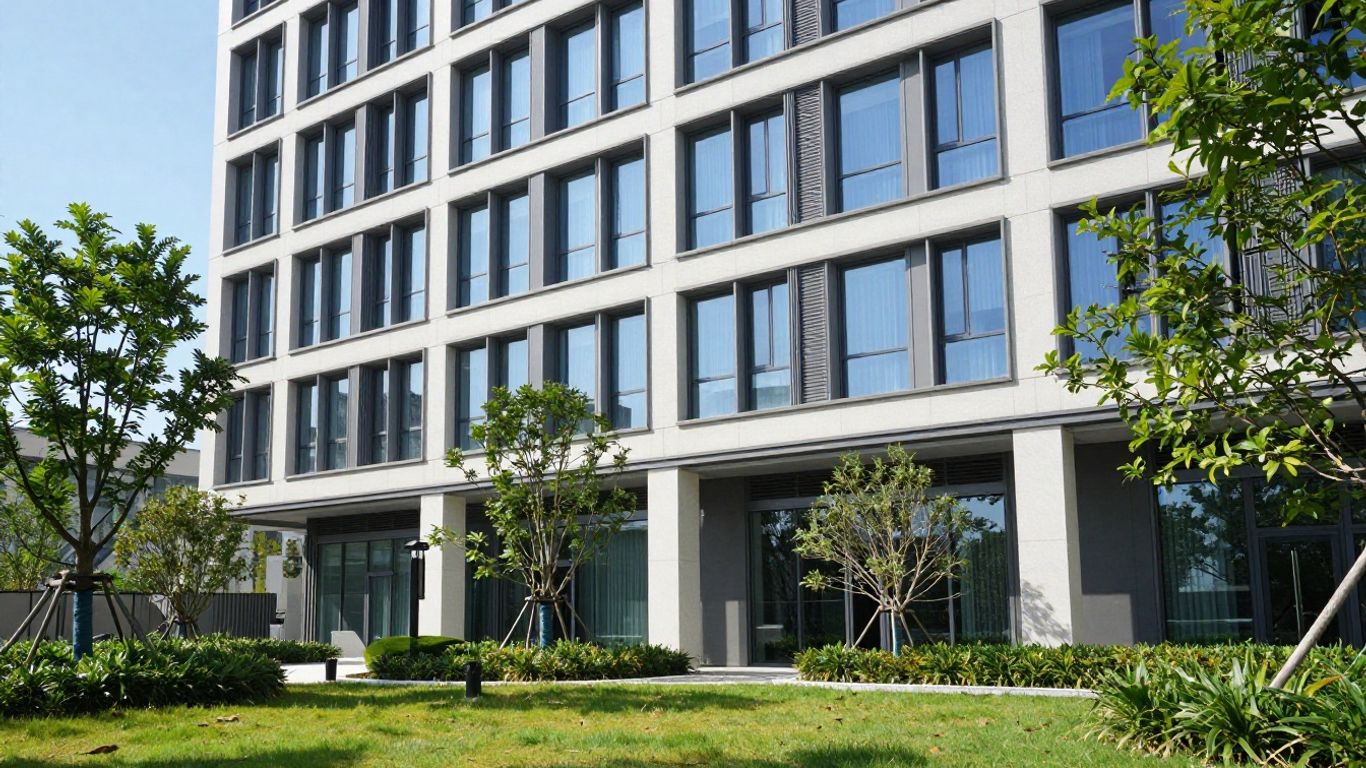
When the sun beats down, keeping our commercial spaces cool is a big deal. We need systems that work hard without costing a fortune to run. This section looks at how we can get that done, not just with powerful cooling but also by making our buildings smarter about it.
Efficient HVAC Design for Peak Loads
Designing heating, ventilation, and air conditioning (HVAC) systems for warm weather means thinking about the hottest days. We can’t just guess; we need to calculate the peak load – the maximum cooling the building will need. This involves looking at:
- Building size and layout: Bigger spaces need more cooling.
- Occupancy levels: How many people will be inside?
- Equipment heat gain: Computers, lights, and machinery all add heat.
- Solar gain: How much heat comes through windows and the roof.
A well-sized HVAC system will run more efficiently and last longer. Over-sizing can lead to short cycling, where the system turns on and off too frequently, which wastes energy and doesn’t dehumidify the air properly. Under-sizing means the system will struggle to keep up on hot days, leaving occupants uncomfortable.
We often look at different types of cooling equipment. For large buildings, chillers are common, but we also consider options like:
- Variable Refrigerant Flow (VRF) systems: These allow for individual zone control and can be very energy efficient.
- Rooftop units (RTUs): Common for smaller commercial buildings, but their efficiency varies greatly.
- Geothermal systems: These use the stable temperature of the earth to cool, offering significant long-term savings.
Smart Controls for Climate Management
Beyond just having good cooling hardware, how we control it makes a huge difference. Smart building technology lets us manage the climate more precisely. Think of it like having a thermostat that’s not just smart, but really smart.
We can use sensors to monitor temperature, humidity, and even occupancy in different parts of the building. This data feeds into a building automation system (BAS) that adjusts the HVAC settings automatically. For example:
- If a conference room is empty, the BAS can reduce cooling there.
- During off-hours, the system can maintain a higher temperature, saving energy.
- It can predict weather patterns and pre-cool the building before a heatwave hits.
This kind of integration means we’re not just cooling empty spaces or cooling too much. We’re using energy only when and where it’s needed. It also gives us better data to see how the building is performing and where we can make further improvements.
Integrating smart controls with our cooling systems is becoming less of a luxury and more of a necessity. It’s about making our buildings work for us, adapting to changing conditions and occupant needs without constant manual adjustments. This leads to more comfortable spaces and lower operating costs, a win-win for everyone involved.
Wrapping Up Our Warm Weather Comfort Guide
So, we’ve looked at a bunch of ways to keep buildings cool and comfy when the temperature climbs. It’s not just about slapping on some extra AC, you know? Thinking about things like good insulation, smart window choices, and even how the building is shaped can make a big difference. We hope this gives you some good ideas for your next project, or maybe even for improving a place you already have. Making sure people are comfortable inside, no matter how hot it gets outside, is a pretty important goal for us all in commercial construction.
Frequently Asked Questions
How can we keep our buildings cooler in hot weather using building materials?
We can use special materials that don’t let heat in easily. Think of it like wearing a light-colored shirt on a sunny day instead of a dark one. We also use better ways to put insulation in walls and roofs, making sure there are no gaps where heat can sneak through. For windows, we choose glass that reflects sunlight or has special coatings to block heat, helping to keep the inside nice and cool without using too much energy.
What are some ways to make sure our cooling systems work well when it’s really hot outside?
When designing our cooling systems, we need to make sure they are strong enough to handle the hottest days. This means picking air conditioners and fans that are the right size for the building and can handle the biggest cooling jobs. We also look at how the air moves around inside the building to make sure it’s efficient. It’s like making sure your fan is big enough to cool a whole room, not just a small corner.
How can smart technology help manage the temperature in our buildings during warm weather?
Smart technology is like having a brain for our building’s temperature. We can use sensors that know when it’s getting too warm and automatically adjust the cooling. We can also set schedules so the AC isn’t running when no one is there. Sometimes, these systems can even learn our preferences and adjust themselves. This helps us save energy and stay comfortable without having to constantly fiddle with the thermostat.
