


When we’re thinking about remodeling our homes here in Tucson, one of the big questions that comes up is how we’re going to keep the place cool. The desert heat is no joke, and having a good cooling system is a must. We’ve been looking into the different options for tucson custom home cooling solutions, and it seems like the main choices boil down to evaporative coolers, often called swamp coolers, and traditional air conditioning. Each has its own set of pros and cons, especially considering our dry climate and how we approach home improvements.
Key Takeaways
- Evaporative coolers are a good fit for Tucson’s dry air, working by adding moisture to the air, which cools it down. They use less energy than AC units and are generally cheaper to run and buy.
- Air conditioning might be a better choice if the air outside is very humid, or if we want to cool our homes more quickly and precisely. AC systems also filter the air, which can be a plus.
- When deciding between the two for our remodeling project, we should think about our budget, how much maintenance we’re willing to do, and what kind of cooling performance we really need for our specific home and lifestyle in Tucson.
Understanding Tucson Custom Home Cooling Solutions: Evaporative Coolers
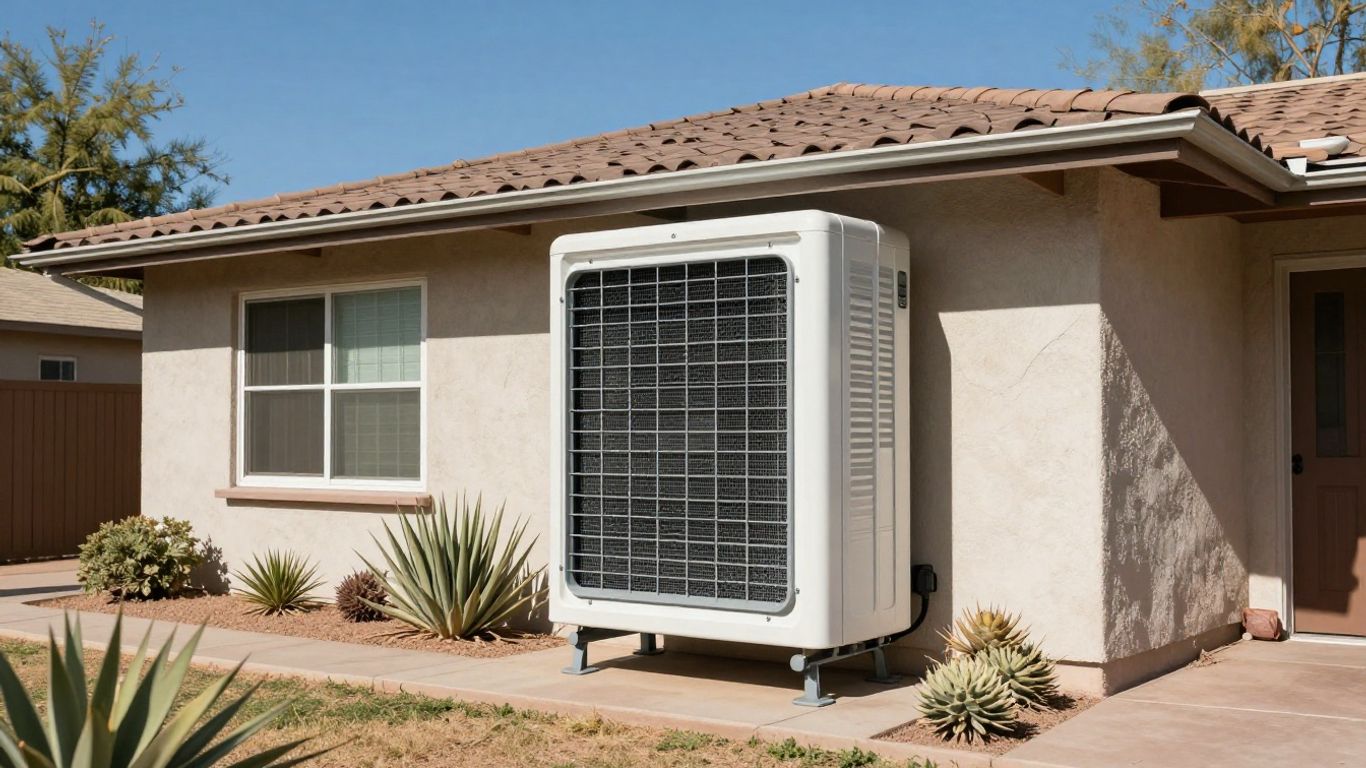
When we think about keeping our homes cool here in Tucson, especially during those long, hot months, evaporative coolers often come up. They’re a common sight on many rooftops, and for good reason. These systems work a bit differently than what most people are used to, and understanding that difference is key to deciding if they’re right for your remodeling project.
How Evaporative Coolers Work in Dry Climates
Evaporative coolers, sometimes called swamp coolers, use a simple principle: water evaporation cools the air. Here’s the basic idea:
- Water Circulation: A pump moves water from a reservoir to a porous pad. This pad stays wet.
- Air Intake: A fan draws warm, dry outside air through the wet pad.
- Evaporation: As the air passes through the wet pad, the water evaporates. This process takes heat from the air, making it cooler.
- Air Distribution: The now cooler, slightly more humid air is then blown into your home.
This method is most effective in arid climates like ours in Tucson because the drier the air, the more water can evaporate, and the more cooling you get. It’s a natural process, and it really shines when the humidity is low. You’ll notice the air coming out feels noticeably cooler, and it adds a bit of moisture to the air, which can be nice when the desert air is extremely dry.
It’s important to remember that evaporative coolers work best with windows or doors slightly open. This allows the humid air to escape and fresh, dry air to be drawn in, maintaining the cooling effect and preventing the air from becoming too damp inside.
Cost-Effectiveness and Environmental Benefits
One of the big draws for many homeowners considering evaporative coolers is their cost. Compared to traditional air conditioning units, they generally have a lower upfront purchase price. The energy consumption is also typically much lower. They use less electricity because they don’t have compressors like AC units do; their main power draw comes from the fan and the water pump.
- Lower Energy Bills: Expect significantly reduced electricity costs, especially when compared to running a central AC system all day.
- Simpler Mechanics: Fewer complex parts mean potentially fewer things to break down and often simpler repairs.
- Environmentally Friendlier: They use less energy and don’t rely on refrigerants that can be harmful to the environment if they leak.
While they require regular maintenance, like cleaning the pads and reservoir, many find the overall operating costs and environmental impact to be a compelling reason to choose them for their Tucson homes.
Evaluating Air Conditioning for Tucson Remodeling Projects
When we think about remodeling our homes here in Tucson, especially with our unique climate, cooling is always a big topic. While evaporative coolers have their place, sometimes a full air conditioning system just makes more sense. We’ve found that AC systems offer a different kind of comfort and control that can be really appealing, particularly for certain types of remodels or if your home’s needs have changed.
When AC Outperforms Evaporative Cooling
We often recommend considering traditional air conditioning when humidity levels might be higher than usual, or if you’re looking for more precise temperature control. Evaporative coolers work by adding moisture to the air, which is great in our dry desert environment. However, if you’re aiming for that perfectly crisp, dry air feel, or if you’re sensitive to higher indoor humidity, AC is the way to go. It’s also a better choice for homes that are tightly sealed or have a lot of insulation, as these features can trap moisture from an evaporative cooler, making the air feel damp and uncomfortable. For remodels that involve adding bedrooms, creating more open-plan living spaces, or if your existing ductwork needs a serious upgrade anyway, installing a new AC system can be a more integrated and effective solution.
Installation and Maintenance Considerations
Installing an AC system during a remodel means we can often run new ductwork efficiently, placing vents exactly where they’ll do the most good. This is a big advantage over trying to adapt existing setups. We also need to think about the electrical requirements; AC units need a dedicated circuit, which is something to plan for during the remodel’s electrical work. Maintenance is generally straightforward. We typically suggest annual check-ups to keep the system running smoothly, cleaning or replacing filters regularly, and keeping the outdoor unit clear of debris. It’s a bit more involved than just hosing down an evaporative cooler, but the payoff in consistent comfort is usually worth it for many homeowners.
When we’re planning a remodel, we always weigh the pros and cons of different cooling systems. For AC, the upfront cost is higher, and it uses more electricity than an evaporative cooler. But the ability to dehumidify and provide consistent, powerful cooling, regardless of outside humidity, is a significant benefit that many Tucson homeowners prioritize, especially in newer or extensively renovated homes.
So, What’s the Verdict for Tucson Homes?
When we look at cooling our homes here in Tucson, it really comes down to what matters most to us. Air conditioning gives us that powerful, consistent chill, no matter how hot it gets outside. It’s a known quantity, reliable for beating the desert heat. Evaporative coolers, on the other hand, offer a different kind of comfort. They use less power and can make the air feel nice and fresh, especially when the humidity is low, which is most of the time here. For our remodeling projects, we need to think about our budget, how much we care about energy use, and what kind of comfort we’re aiming for. Neither choice is perfect for everyone, but understanding these differences helps us make a smart decision for our own homes.
Frequently Asked Questions
When is an evaporative cooler the better choice for our home in Tucson?
We find that evaporative coolers, also known as swamp coolers, work best when the air is really dry, which is often the case here in Tucson. They’re a fantastic option if your goal is to save money on energy bills and be a bit kinder to the environment. They cool the air by adding moisture, making them super efficient in our desert climate. They’re generally less expensive to buy and run compared to traditional air conditioners.
Are there times when an air conditioner makes more sense for our Tucson remodeling project?
Yes, absolutely. If the humidity in your home tends to be higher, or if you’re looking for the absolute coldest air possible, an air conditioner might be the way to go. AC units are also better at filtering out dust and allergens. When we’re remodeling, we also need to think about how easy it is to install and maintain. AC systems can sometimes be more complex to set up and might require more regular upkeep than a simpler swamp cooler.
What’s the main difference in how these cooling systems work?
Think of it this way: evaporative coolers use water to cool the air. They pull warm, dry air through wet pads, and as the water evaporates, it cools the air down and adds a little bit of moisture. This is why they work so well in dry places like Tucson. Air conditioners, on the other hand, use a refrigerant to remove heat and moisture from the air, essentially ‘chilling’ it. They don’t add moisture; they take it away, which is why they can feel different and are better suited for more humid conditions or when you need very precise temperature control.
