


As businesses look to stand out, the way we build and design commercial spaces is changing. We’re seeing a shift towards buildings that do more than just house operations; they aim to improve how people feel and work. This article explores some fresh ideas in commercial construction, from using nature in design to incorporating smart tech, and how these can make a real difference for companies, even touching on ideas relevant to luxury custom homes.
Key Takeaways
- Using natural elements and smart technology can make workplaces healthier and run better.
- Creative building designs can make spaces more useful and show off a company’s style.
- New materials and adaptable designs are important for future buildings, including high-end custom homes.
Elevating Business Spaces With Sustainable Design
We’re seeing a big shift in how businesses think about their physical spaces. It’s not just about looking good anymore; it’s about being good for the planet and the people inside. Sustainable design is becoming a core part of this. We’re talking about buildings that work with nature, not against it, and that really makes a difference.
Integrating Biophilic Elements for Enhanced Well-being
Think about bringing the outdoors in. That’s the basic idea behind biophilic design. It’s about connecting the people who work and visit your business with natural elements. This isn’t just about putting a few plants around; it’s a more thoughtful approach. We can use natural light as much as possible, maybe with large windows or skylights. We also look at natural materials like wood and stone, and even patterns that mimic nature.
- Maximizing natural light reduces the need for artificial lighting and improves mood.
- Incorporating indoor plants and green walls can clean the air and create a calming atmosphere.
- Using water features, like small indoor fountains, can add a sensory element and reduce noise.
- Designing spaces with views of nature, even if it’s just a courtyard, has a positive effect.
We’ve found that when employees are in spaces that feel more natural, they tend to be happier and more productive. It’s a simple concept, but the impact is quite significant.
The goal is to create environments that feel alive and connected to the natural world, which in turn supports the health and happiness of everyone who uses the space.
Smart Building Technology for Operational Efficiency
Beyond the look and feel, we’re also using technology to make buildings smarter and more efficient. This means systems that can manage energy use, lighting, and temperature automatically. It’s about making the building work for us, saving resources, and cutting down on waste. We can install sensors that detect when a room is empty and turn off the lights, or adjust the heating and cooling based on occupancy and outside weather.
Here are some ways smart tech helps:
- Automated lighting systems adjust based on daylight and occupancy.
- Smart thermostats learn usage patterns to optimize heating and cooling, saving energy.
- Building management systems (BMS) monitor and control various building functions, identifying potential issues early.
- Occupancy sensors can help manage space utilization and inform future design decisions.
These systems not only reduce our environmental footprint but also lead to lower operating costs over time. It’s a win-win situation for the business and the planet.
Creating Unique Client Experiences Through Architectural Innovation
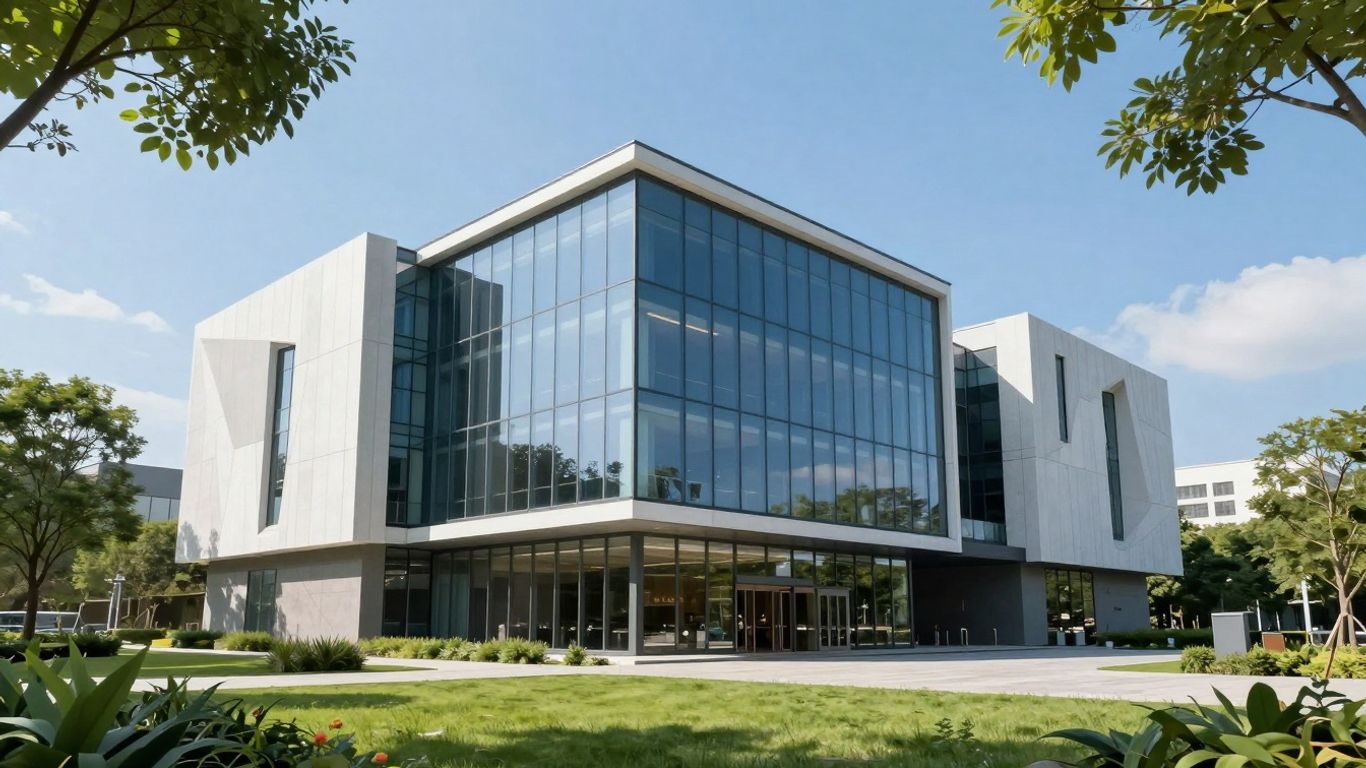
We often think of commercial buildings as just places to work or shop, but they can be so much more. The way a building looks and feels can really change how people interact with it, and that’s where architectural innovation comes in. We want our spaces to be memorable, to tell a story, and to make clients feel something special from the moment they arrive.
Flexible Layouts for Adaptable Work Environments
Workplaces today aren’t what they used to be. People need spaces that can change as their needs change. We’re looking at designs that allow for easy reconfiguration. Think about walls that move, furniture that can be rearranged quickly, and areas that can serve multiple purposes. This isn’t just about looking modern; it’s about making the space work better for the people using it day-to-day. It means a meeting room can become a quiet work zone, or a large open area can be sectioned off for focused tasks. This adaptability is key for businesses that are growing or changing their focus.
- Modular Walls: These allow for quick changes to room sizes and layouts.
- Multi-functional Furniture: Pieces designed to serve more than one purpose, saving space and adding flexibility.
- Zoned Areas: Creating distinct zones within a larger space for different activities like collaboration, quiet work, or relaxation.
The ability to adapt a physical space to shifting operational needs is no longer a luxury, but a practical necessity for long-term business success. It shows foresight and a commitment to the well-being and productivity of employees.
Showcasing Brand Identity Through Bespoke Facades
The outside of a building is the first impression. We can use the facade to really communicate what a business is all about. It’s not just about putting up walls; it’s about creating a visual statement. This could mean using unique materials, interesting shapes, or incorporating elements that reflect the company’s values or industry. A well-designed facade can make a building stand out, attract attention, and create a strong connection with clients before they even step inside. We’re moving beyond generic designs to create something truly distinctive.
- Material Selection: Choosing materials that are not only durable but also visually represent the brand’s character – perhaps natural wood for warmth, or sleek metal for a modern feel.
- Architectural Features: Incorporating unique design elements like custom lighting, sculptural forms, or integrated green spaces that make the building recognizable.
- Color and Texture: Using color palettes and surface textures strategically to evoke specific emotions or associations related to the brand.
The facade is our building’s handshake with the world. It sets the tone and can significantly influence public perception and client interest.
The Future Of Commercial Spaces: Technology And Customization
We’re seeing a big shift in how businesses think about their physical spaces. It’s not just about having a place to work anymore; it’s about creating environments that work for us, adapting as our needs change. This means looking at new materials and really thinking about how buildings can be tailored to specific business goals.
Leveraging Advanced Materials for Durability and Aesthetics
When we build, we want things to last, right? And look good while doing it. That’s where new materials come into play. We’re talking about things that can withstand more wear and tear, need less upkeep, and also offer interesting visual possibilities. Think about self-healing concrete that fixes its own small cracks, or advanced composites that are lighter but stronger than traditional steel. These aren’t just fancy buzzwords; they translate to buildings that require fewer repairs over time and can be designed with more unique shapes and finishes. The right material choice can significantly cut down on long-term maintenance costs and open up new design avenues.
Designing for the Evolving Needs of Luxury Custom Homes
This section might seem a bit out of place in a commercial construction article, but it actually ties in. The same drive for customization and advanced technology we see in high-end homes is starting to influence commercial projects. Businesses want spaces that feel as unique and well-appointed as a luxury residence. This means:
- Personalized layouts: Moving away from one-size-fits-all floor plans to spaces that can be reconfigured easily.
- Integrated tech: Smart systems for lighting, climate control, and security that are intuitive and responsive.
- High-quality finishes: Using materials that not only look good but feel good, creating a more pleasant atmosphere.
The trend is towards spaces that feel less like generic offices and more like curated environments, reflecting the specific brand and the people who use them. It’s about creating a feeling, not just a structure.
We’re also seeing a greater demand for sustainability in these custom builds, not just for environmental reasons, but because it often means better long-term value and a healthier space for occupants. It’s a complex puzzle, but putting the pieces together results in buildings that are truly fit for purpose.
Moving Forward with New Ideas
We’ve looked at some pretty interesting ways businesses can build their spaces differently. It’s clear that thinking outside the box when it comes to construction can really make a difference for a company. Whether it’s using new materials or designing spaces that work better for employees and customers, there are lots of options. We hope these ideas give you something to think about for your own business projects. It’s worth exploring these possibilities to create a building that truly fits what you need now and in the future.
Frequently Asked Questions
Why should we think about making our business buildings more eco-friendly?
Using green building methods helps our planet by using less energy and resources. It can also make our workplaces healthier and more pleasant for everyone, which is a win-win for both our business and the environment.
How can we make our building’s design more exciting and memorable?
We can achieve this by using unique building shapes and materials that really show off our company’s style. Think about making the outside of the building as interesting as the inside, so it stands out and tells our story.
What’s the best way to use new technology in our buildings?
We can use smart tech to control things like lights and heating automatically, saving energy and making the building work better. This also helps us keep up with changes and make our spaces work for us in the future.
