


As we look ahead to 2025, we’re seeing some really interesting shifts in how people are approaching their custom home builds and remodels. It’s not just about having a nice-looking house anymore; it’s about creating spaces that truly support our well-being and fit our lifestyles. We’ve gathered some of the top custom home design trends 2025 that we think will make a big impact.
Key Takeaways
- We’re bringing the outdoors in with biophilic design, using natural materials and lots of light.
- Smart home tech is becoming standard for easier living and better energy use.
- Building green is a priority, with more focus on renewable energy and recycled stuff.
- Homes are getting more adaptable, with rooms that can be used for different things.
- Personal touches and unique finishes are really making homes stand out.
Embracing Biophilic Design For Healthier Living
We’re seeing a big shift towards biophilic design in custom homes and remodels. It’s all about bringing the outdoors in, and for good reason. This approach connects us with nature, which we now know is really good for our well-being. Think about it: spending more time surrounded by natural elements can actually lower stress and improve our mood. It’s not just about aesthetics; it’s about creating spaces that actively support our health.
Seamless Indoor-Outdoor Integration
This is a major part of biophilic design. We’re talking about blurring the lines between your living space and the natural world outside. Large windows and sliding glass doors are key, of course, but it goes further. Consider patios or decks that feel like extensions of your living room, or kitchens that open directly onto a garden space. The goal is to make it easy and inviting to move between inside and out. We want to feel connected to the environment, no matter where we are in the house.
- Expand living areas with large, operable glass walls.
- Incorporate covered outdoor rooms that can be used in various weather.
- Design entryways that transition smoothly from exterior landscaping to interior finishes.
Natural Materials And Textures
Using natural materials is another core principle. We’re moving away from synthetic finishes and embracing things like wood, stone, and natural fibers. These materials bring warmth and character to a home. The textures are important too – the grain of wood, the roughness of stone, the softness of natural fabrics. These tactile qualities add depth and interest to a space. It makes the home feel more grounded and authentic.
We’re seeing a lot more reclaimed wood used for accent walls or flooring. People also like exposed stone or brick, bringing a bit of the earth’s texture right into the living room. Even simple things like linen curtains or wool rugs make a difference.
Abundant Natural Light Maximization
Natural light is incredibly important for our health and mood. Biophilic design prioritizes bringing as much daylight into the home as possible. This means thoughtful window placement, skylights, and even light tubes to bring sun into darker areas. We’re also looking at how light changes throughout the day and how it interacts with different materials and colors in the home. Good natural light can reduce the need for artificial lighting and make spaces feel larger and more welcoming.
- Consider clerestory windows to bring in light from high up.
- Use light-colored paint and finishes to reflect natural light.
- Strategically place mirrors to bounce light around rooms.
Smart Home Technology Integration For Enhanced Comfort
We’re seeing a big shift towards making our homes work for us, not the other way around. Integrating smart home tech is no longer just about fancy gadgets; it’s about creating a living space that’s genuinely more comfortable and responsive to our needs. Think about walking into a home that already knows you’re there and adjusts the environment just right. That’s the direction we’re heading.
Automated Lighting And Climate Control
This is where we start to see real day-to-day benefits. Imagine lights that dim automatically as the sun sets, or your thermostat learning your schedule and adjusting the temperature before you even feel the need. We can set up systems that learn your preferences over time. For instance, you might want the living room a bit warmer in the evenings, while the bedrooms stay cooler for sleeping. These systems can also react to external conditions, like closing blinds on a hot, sunny afternoon to keep the house cool naturally. It’s about creating an atmosphere that’s always pleasant, without us having to constantly fiddle with switches and dials.
Voice-Activated Assistants
Voice control is becoming a standard feature. Instead of searching for a remote or tapping on a screen, we can simply speak our commands. Need to turn on the kitchen lights? Just ask. Want to know the weather before you head out? Your home can tell you. This hands-free operation is particularly helpful when our hands are full, like when we’re cooking or carrying groceries. It adds a layer of convenience that feels quite natural after a short while.
Energy Management Systems
Beyond just comfort, smart tech is helping us be smarter about our energy use. These systems can monitor how much power different appliances are using and identify areas where we might be wasting energy. We can set schedules for appliances to run during off-peak hours, potentially saving money on utility bills. Some systems even integrate with renewable energy sources, like solar panels, to manage power generation and consumption more effectively. It’s a way to make our homes more efficient and a bit kinder to the planet, all while keeping our living spaces comfortable.
The goal with smart home technology is to make our lives simpler and more pleasant. It’s about creating a home that anticipates our needs and responds intuitively, freeing us up to focus on what matters most. We’re moving towards homes that are not just structures, but intelligent partners in our daily lives.
Sustainable And Eco-Conscious Building Practices
We’re seeing a big shift towards building homes that are kinder to our planet. It’s not just a trend; it’s becoming a standard expectation for new builds and remodels. People want homes that look good, feel good, and do good. This means thinking about where our materials come from, how much energy our homes use, and how we manage resources like water.
Renewable Energy Solutions
One of the most impactful ways we can make homes more sustainable is by incorporating renewable energy. Solar panels are becoming more common, and for good reason. They harness the sun’s power to reduce reliance on the grid. We’re also looking at geothermal systems, which use the earth’s stable temperature to heat and cool homes efficiently. These systems might have a higher upfront cost, but the long-term savings on energy bills and the reduced environmental footprint are significant.
- Solar Photovoltaic (PV) Systems: Generate electricity directly from sunlight.
- Solar Thermal Systems: Use sunlight to heat water for domestic use or space heating.
- Geothermal Heat Pumps: Utilize the earth’s consistent temperature for heating and cooling.
Water Conservation Features
Water is a precious resource, and homes in 2025 are being designed with conservation in mind. This goes beyond just low-flow fixtures, though those are important. We’re talking about rainwater harvesting systems that collect water for irrigation or even non-potable indoor uses. Greywater recycling systems are also gaining traction, treating water from showers and sinks so it can be reused for flushing toilets or watering gardens. These features can drastically cut down on municipal water usage.
Thinking about water conservation means looking at the entire water cycle within our homes and properties. It’s about being smarter with every drop.
Recycled And Reclaimed Materials
Using recycled and reclaimed materials is another key aspect of eco-conscious building. Instead of always using virgin resources, we can opt for materials that have already served a purpose. This could mean using reclaimed wood for flooring or accent walls, recycled glass for countertops, or insulation made from recycled paper or plastic. It not only reduces waste but often adds a unique character and history to the home. We’re seeing a growing appreciation for the beauty and story that these materials bring.
Flexible And Adaptable Living Spaces
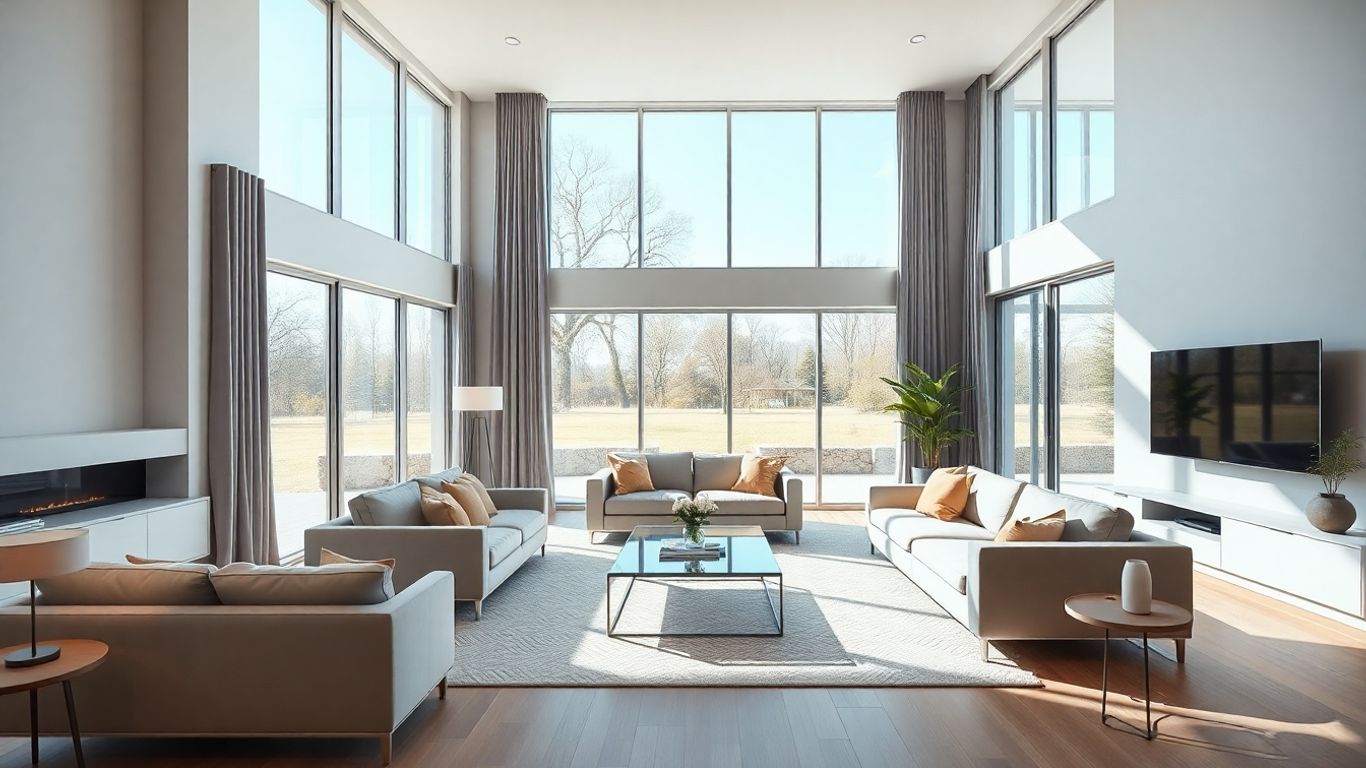
We’re seeing a big shift in how we use our homes. It’s not just about having a place to sleep and eat anymore. People want spaces that can change with their needs. This means designing rooms that can serve multiple purposes is becoming really important. Think about it: your home office might need to become a guest room on weekends, or a playroom could transform into a quiet reading nook. We’re moving away from rigid layouts towards more fluid environments.
Multi-Functional Rooms
This is where creativity really comes into play. We’re designing rooms that aren’t limited to one function. A living room might have built-in storage that hides away toys or work supplies, making it easy to switch from family time to a more formal setting. Dining rooms are often becoming extensions of the kitchen or living area, used for homework, hobbies, or even as a temporary workspace. The key is to build in flexibility from the start.
Modular Design Elements
Modular components are a game-changer for adaptability. We’re talking about furniture that can be reconfigured, walls that can be moved or folded, and storage systems that can be adjusted. This allows homeowners to physically change the layout of their space as their lifestyle evolves. For instance, a modular sofa can be rearranged for different gatherings, or movable partitions can create temporary private areas when needed. It’s about making the house work for you, not the other way around.
Home Offices And Wellness Zones
With more people working from home, dedicated office spaces are a must. But we’re also seeing these spaces designed with wellness in mind. This could mean incorporating natural light, good ventilation, and even space for a small exercise area or meditation corner. It’s about creating a sanctuary within your home that supports both productivity and personal well-being. We’re finding that people want their homes to be a place where they can truly recharge.
Personalized Aesthetics And Unique Finishes
In 2025, we’re seeing a strong move towards homes that truly reflect the people living in them. It’s not just about following trends; it’s about creating spaces that feel uniquely yours. We’re talking about making your home a canvas for your personality, using finishes and colors that speak to your individual style.
Bold Color Palettes
Forget playing it safe with neutral tones. This year, we’re encouraging homeowners to embrace color. Think about rich jewel tones for a dramatic living room or a vibrant accent wall in a kitchen. It’s about choosing colors that energize you and make your home feel alive. We’ve found that even a small pop of unexpected color can completely change the mood of a room. Don’t be afraid to experiment; paint samples are your best friend here.
Artisanal Craftsmanship
There’s a growing appreciation for the handmade and the unique. Instead of mass-produced items, we’re seeing a rise in custom-built furniture, hand-troweled plaster walls, and bespoke tile work. These elements add character and a sense of history to a home. It’s about the subtle imperfections that make something feel real and cared for. We’ve had clients commission custom woodworking for their mantels or select one-of-a-kind ceramic tiles for their backsplashes, and the results are always stunning.
Statement Lighting Fixtures
Lighting is no longer just functional; it’s a major design element. We’re seeing a trend towards statement lighting fixtures that act as focal points in a room. This could be a dramatic chandelier in a dining area, a sculptural pendant light over an island, or even a series of unique wall sconces. These fixtures are chosen not just for the light they provide, but for the artistic impression they make. Think of them as jewelry for your home. The right lighting can transform the atmosphere, making a space feel cozy, dramatic, or airy depending on your needs.
The desire for personalization means that every detail, from the paint on the walls to the hardware on the cabinets, is an opportunity to express individuality. We’re moving away from cookie-cutter designs and towards homes that tell a story.
Maximizing Outdoor Living And Entertainment Areas
We’re seeing a big shift towards making our outdoor spaces just as functional and inviting as our indoor ones. It’s not just about a patio anymore; it’s about creating a true extension of our homes. Think of your backyard as another room, ready for cooking, dining, relaxing, and entertaining.
Outdoor Kitchens And Dining
Outdoor kitchens are becoming incredibly popular. We’re talking full-scale setups with grills, sinks, refrigerators, and plenty of counter space. It makes hosting so much easier when you can prep, cook, and serve all outside. Paired with a comfortable dining area, it’s perfect for those warm evenings. We’ve seen clients opt for everything from simple built-in grills to elaborate setups that rival indoor kitchens. It really depends on how you plan to use the space.
Cozy Fire Pit Lounges
Fire pits are a fantastic way to add ambiance and warmth, extending the usability of your outdoor space well into the cooler months. We’re not just talking about basic metal bowls, either. Many are opting for built-in stone or brick fire pits, often surrounded by comfortable seating arrangements. It creates a natural gathering spot, perfect for conversation and enjoying the outdoors after dark. Some even incorporate seating walls directly into the fire pit design for a more integrated look.
Integrated Landscaping
Good landscaping ties everything together. It’s about more than just plants; it’s about creating zones and flow. We’re using landscaping to define different areas, like a dining space or a lounge area, and to add privacy. Think about incorporating features like pergolas for shade, outdoor lighting to set the mood, and even water features for a calming effect. Thoughtful landscaping makes the entire outdoor area feel cohesive and intentional.
We’re finding that clients want their outdoor areas to be usable for more of the year. This means considering elements like overhead heating, windbreaks, and good lighting so that the space doesn’t just sit empty when the weather isn’t perfect. It’s about creating a year-round destination right outside your door.
Looking Ahead
As we wrap up our look at the design trends for custom homes in 2025, it’s clear that homeowners are looking for spaces that are both beautiful and practical. We’ve seen a move towards more personalized layouts, smart technology that actually makes life easier, and a strong connection to the outdoors. These aren’t just fleeting fads; they represent a thoughtful approach to building and remodeling that prioritizes comfort, sustainability, and individual style. We’re excited to see how these ideas take shape in the homes being built and updated next year.
Frequently Asked Questions
What exactly is biophilic design, and why is it becoming so popular for our homes?
Biophilic design is all about bringing the outdoors in. We’re seeing it more because it makes our homes feel healthier and more connected to nature. Think lots of plants, natural light, and materials like wood and stone. It helps us feel calmer and happier in our living spaces.
How can we make our homes smarter without it feeling too complicated?
Smart home tech is getting easier to use. We can set up lights and heating to adjust automatically, use voice commands to control things, and even manage our home’s energy use better. It’s about making life more comfortable and efficient for us.
What are some simple ways we can build or remodel our homes in a more eco-friendly way?
Going green at home is totally doable. We can use things like solar panels for power, install features to save water, and choose building materials that have been recycled or reused. These choices help the planet and can save us money in the long run.
How can we design our homes to be more adaptable as our needs change over time?
We’re designing homes that can change with us. This means creating rooms that can be used for different things, using building parts that can be moved or changed easily, and making sure we have comfortable spots for working from home or just relaxing.
What are some fresh ideas for making our home’s style truly our own?
Expressing your personal style is key! We’re seeing more people use bright, bold colors, choose unique, handcrafted finishes, and add eye-catching light fixtures that really make a statement. It’s about making your home uniquely yours.
How can we make our outdoor areas just as great as our indoor ones?
Our backyards are becoming extensions of our homes. We can create outdoor kitchens for cooking and eating, build cozy spots with fire pits for gathering, and blend our landscaping right into the design of our house. It’s all about enjoying the fresh air.
