


When we’re building a new home, we often think about the big picture: the layout, the materials, the overall style. But what about the technology that will make our lives easier and our homes more efficient? We’re talking about smart home features, and integrating them from the start in custom builds makes a big difference. It’s not just about adding gadgets later; it’s about planning for them so they work well and look good. This approach helps us get the most out of smart home technology in custom builds.
Key Takeaways
- When planning a custom home, think about smart tech early on. This makes putting in systems like smart lighting or climate control much simpler.
- Choosing the right smart home features means picking tech that fits how we live and what we need, not just the latest trends.
- Adding smart home features to new construction can make a house more attractive to buyers and help save money on energy bills over time.
Incorporating Smart Home Features in Custom Builds
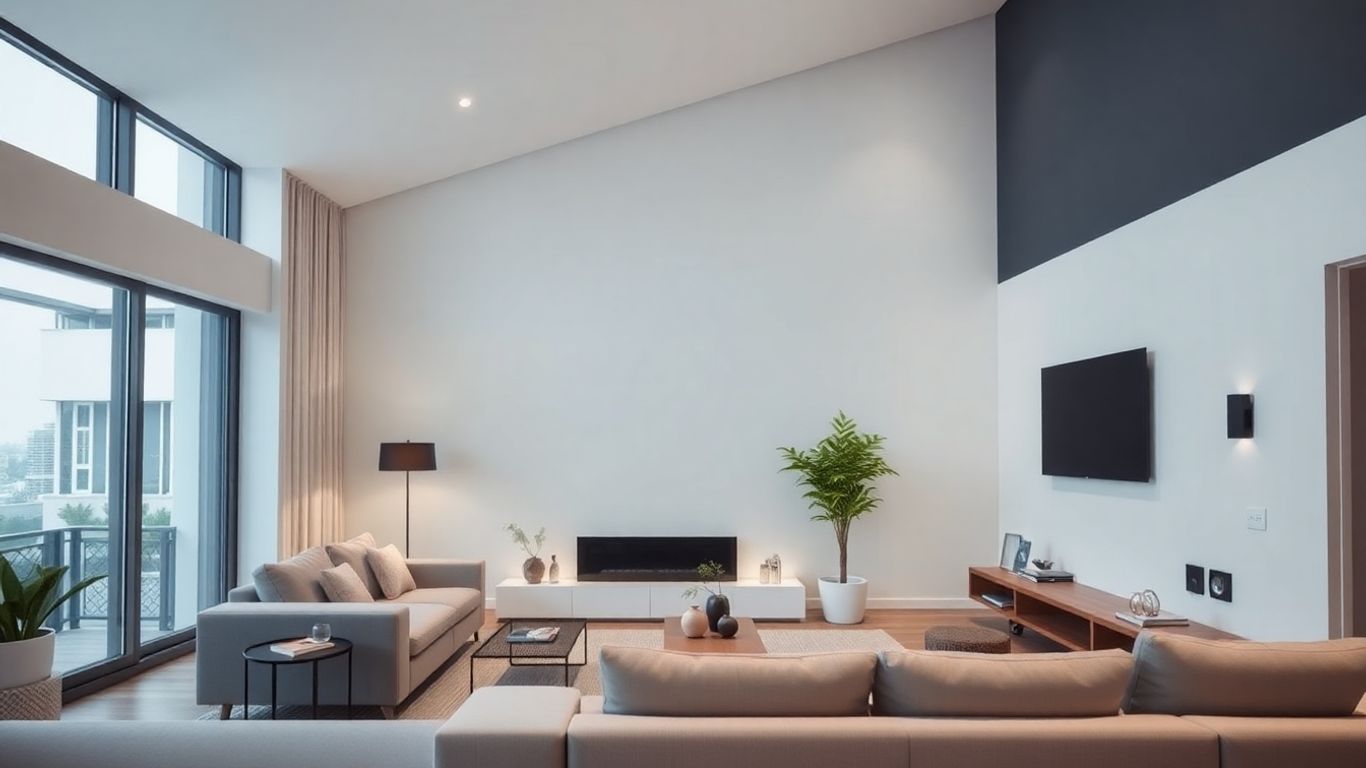
When we’re building a new home from the ground up, especially a custom one, we have a real chance to get smart home tech right from the start. It’s not just about adding gadgets later; it’s about thinking about it during the design and construction phases. This makes everything work together much better and avoids a lot of headaches down the road.
Planning For Seamless Integration
This is where we lay the groundwork. We need to think about what we want our smart home to do before the walls go up. This means considering things like:
- Network Infrastructure: A strong Wi-Fi network is the backbone of any smart home. We should plan for robust wiring, maybe even running Ethernet cables to key locations, and think about where access points will go to get good coverage throughout the house. Don’t forget about potential future needs, like more devices or faster internet speeds.
- Power and Placement: Where will smart devices like thermostats, cameras, or smart locks be located? We need to make sure there are power outlets or wiring in the right spots. For example, a smart thermostat needs a power source, and a video doorbell needs wiring for both power and potentially a chime.
- Central Hubs and Controllers: Will we use a central smart home hub, or rely on voice assistants? Planning for this early helps us decide on the best wiring and placement for any necessary equipment, like a server or a dedicated control panel.
Thinking about smart home integration during the planning phase is like building a solid foundation for your house. If you skip this step, you might end up with a house that looks good but can’t handle the weight of modern technology, leading to performance issues and frustration.
Selecting The Right Smart Home Technology
Once we have a plan, we can pick the actual tech. It’s easy to get overwhelmed by all the options out there, but we should focus on what fits our lifestyle and budget. We’re looking for systems that are reliable and work well together.
Here are some areas to consider:
- Lighting Control: Smart bulbs and switches let us control lights remotely, set schedules, and even change colors. This can save energy and add convenience.
- Climate Control: Smart thermostats learn our habits and can adjust the temperature automatically, saving money on heating and cooling. We can also integrate them with smart vents for room-by-room control.
- Security Systems: Smart locks, cameras, and sensors give us peace of mind. We can monitor our home from anywhere and get alerts if something is amiss.
- Entertainment Systems: Integrating smart speakers, TVs, and streaming devices makes it easy to control our media with voice commands or a single app.
Choosing technology that is compatible with each other is key. We don’t want to end up with a bunch of devices that don’t talk to each other. Looking for systems that use common protocols like Zigbee, Z-Wave, or Matter can help with this. We should also think about how easy the system is to use for everyone in the household. A complicated system might end up being more of a hassle than it’s worth.
Benefits Of Smart Home Features In New Construction
When we’re building new homes, we’ve found that adding smart technology from the start makes a big difference. It’s not just about fancy gadgets; it’s about making homes more practical and pleasant to live in. Integrating these systems during construction is far simpler and more effective than trying to retrofit them later.
Enhancing Home Value And Appeal
We see firsthand how smart features make a home stand out. Buyers are increasingly looking for homes that offer convenience and modern living. Think about a home where the lights adjust automatically, the thermostat learns your schedule, and you can control your security system from your phone. These aren’t just conveniences; they’re features that add real appeal and can significantly boost a property’s market value. It’s about creating a home that feels current and forward-thinking.
- Automated Lighting: Sets the mood and saves energy.
- Smart Thermostats: Learn routines for comfort and efficiency.
- Integrated Security: Remote monitoring and control for peace of mind.
- Voice Control: Hands-free operation of various home functions.
We’ve noticed that homes with well-integrated smart technology tend to sell faster and often at a higher price point. It signals a well-maintained, modern property.
Improving Energy Efficiency And Sustainability
One of the most practical advantages we’ve observed is the impact on energy use. Smart thermostats, for example, can significantly cut down on heating and cooling costs by only running when needed and adjusting to occupancy. Smart lighting systems can be programmed to turn off when rooms are empty, and smart plugs can prevent ‘vampire drain’ from electronics that are off but still drawing power. This not only saves money on utility bills but also contributes to a more sustainable lifestyle, which is something many homeowners care about.
Here’s a look at potential savings:
| Feature | Potential Annual Savings (Estimate) |
|---|---|
| Smart Thermostat | $100 – $200 |
| Smart Lighting | $50 – $100 |
| Smart Plugs | $20 – $50 |
These numbers might seem small individually, but they add up over time. Plus, the environmental benefit is a big plus for us and our clients.
Wrapping Up
So, as we wrap up our look at putting smart tech into new homes, it’s clear this isn’t just a trend; it’s becoming the standard. We’ve seen how building these systems in from the ground floor makes a big difference compared to trying to add them later. It makes things work better and can even save money down the line. For builders and buyers alike, thinking about smart features now means a more comfortable, efficient, and modern living space for years to come. It’s about making homes work for us, not the other way around.
Frequently Asked Questions
When should we start thinking about smart home tech for our new house?
It’s best to plan for smart home features right from the beginning, during the design phase. This way, we can make sure everything is wired correctly and hidden neatly, making the setup smooth and looking great.
What kind of smart stuff can we put in a new home?
We can include a wide range of smart devices. This could be anything from smart lights and thermostats that help save energy, to security systems with cameras and smart locks, and even voice assistants that control different parts of your home with just your voice.
Does adding smart tech make a new home worth more?
Yes, absolutely. Homes with modern smart technology are often more attractive to buyers and can command a higher price. Plus, features like energy-saving thermostats and smart lighting can lower utility bills, which is a big plus for any homeowner.
