


As homeowners, we’re always looking for ways to make our living spaces more comfortable, especially when the summer sun beats down. We’ve been exploring how the color of our roofs can make a big difference in keeping our homes cooler. It turns out, choosing lighter shades and using special reflective coatings are smart strategies we can use. This approach not only helps with comfort but can also lead to savings on our energy bills. Let’s look into how these simple changes can lead to a cooler home.
Key Takeaways
- Lighter colored roofs reflect more sunlight, absorbing less heat and keeping attics and homes cooler.
- Reflective coatings can be applied to existing roofs, turning them into ‘cool roofs’ that reduce heat absorption.
- Implementing cool roofing solutions can lower energy costs for cooling and extend the life of the roof by reducing heat stress.
Embracing Light Colors For Your Roof
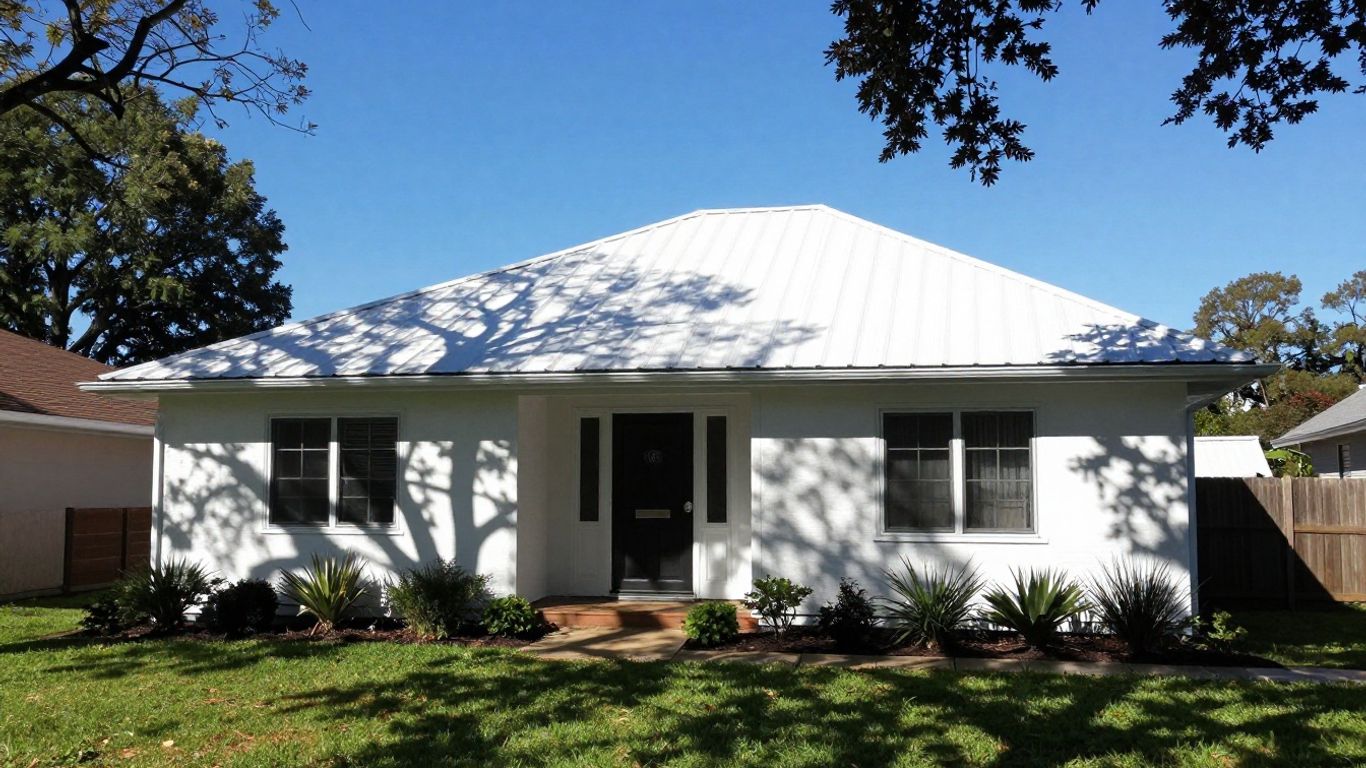
We’ve been looking into ways to keep our homes cooler, especially as the weather warms up. One of the simplest, yet most effective, strategies we’ve found involves our roofs. It might seem straightforward, but the color of our roofing material plays a surprisingly big role in how much heat our homes absorb.
The Science Behind Light-Colored Roofs
So, why do lighter colors help? It all comes down to how different colors interact with sunlight. Darker surfaces tend to absorb more solar energy, which then gets transferred into our homes, making them hotter. Light-colored roofs, on the other hand, reflect a significant portion of that sunlight back into the atmosphere. This means less heat is absorbed by the roof itself, and consequently, less heat makes its way into our living spaces. Think of it like wearing a black shirt versus a white shirt on a sunny day – the white shirt feels much cooler because it reflects the sun’s rays.
Solar reflectance is the key term here. Materials with high solar reflectance bounce back more sunlight. This effect is particularly noticeable during the peak heat of the day. We’ve seen data showing that homes with lighter roofs can be significantly cooler internally compared to those with dark roofs, even under the same weather conditions.
Here’s a simplified look at how color affects heat absorption:
| Roof Color | Solar Reflectance (Approx.) | Heat Absorption (Relative) |
|---|---|---|
| Black | 5-10% | High |
| Dark Gray | 15-25% | Medium-High |
| Medium Blue | 30-40% | Medium |
| Light Gray | 50-60% | Low-Medium |
| White | 80-90% | Very Low |
Aesthetic Benefits Of Lighter Hues
Beyond the practical cooling benefits, choosing lighter colors for our roofs can also really change the look of our homes. Lighter shades often give a home a cleaner, brighter appearance. They can make a house feel more open and airy, and they tend to pair well with a wide variety of siding colors and landscaping styles. Whether we’re going for a modern look or something more traditional, a light-colored roof can be a versatile choice. It’s not just about function; it’s about curb appeal too. We’ve noticed that many architectural styles lend themselves beautifully to lighter roofing materials, providing a subtle yet impactful design element.
Making the switch to a lighter roof color isn’t just about staying cool; it’s also about creating a more pleasant and visually appealing home environment. It’s a change that benefits us both inside and out, especially during the warmer months.
Advanced Reflective Coatings For Enhanced Cooling
Understanding Reflective Coating Technology
We’ve all seen how a dark shirt on a sunny day can feel like wearing an oven. The same principle applies to our roofs. Traditional roofing materials, especially darker ones, absorb a lot of the sun’s energy. This absorbed heat then transfers into our homes, making them warmer and forcing our air conditioners to work overtime. Reflective coatings, often called ‘cool roof’ coatings, are designed to combat this. They work by reflecting a significant portion of the sun’s rays away from the roof surface. This isn’t just about a lighter color; it’s about the material’s solar reflectance. Some coatings are specifically engineered with special pigments that bounce back sunlight, keeping the roof surface much cooler than conventional materials. This reduction in heat absorption can make a noticeable difference in your home’s internal temperature.
Implementing Cool Roofing Solutions
Putting these cool roofing solutions into practice is more straightforward than you might think. There are several types of coatings available, each with its own set of benefits and applications. We can apply these coatings over existing roofs, often without needing a full replacement, which can be a cost-effective option. The application process itself is usually similar to painting, though professional installation is often recommended for best results and longevity.
Here are some common types of cool roofing materials and coatings:
- Acrylic Coatings: These are water-based and quite common. They’re good at reflecting sunlight and are relatively inexpensive.
- Silicone Coatings: More durable than acrylics, silicone coatings offer excellent waterproofing and UV resistance. They tend to stay more flexible over time.
- Single-Ply Membranes: Think of materials like TPO or EPDM. These are often white or light-colored and come as large sheets that are installed over the roof deck. They are highly reflective.
- Metal Roofing with Cool Coatings: Metal roofs themselves can be reflective, but adding a specialized cool coating further boosts their performance.
The primary goal of these coatings is to reduce the amount of heat that gets into your attic and living spaces. By reflecting solar energy, we can significantly lower the surface temperature of the roof, leading to less heat transfer indoors. This means less strain on your cooling system and, consequently, lower energy bills during the warmer months.
When considering these options, it’s helpful to look at the solar reflectance index (SRI) of different products. A higher SRI means the material stays cooler under the sun. We’ve found that even a moderate increase in reflectivity can lead to tangible savings and a more comfortable home environment. It’s a practical step we can take to make our homes more energy-efficient and pleasant, especially as the weather heats up.
Wrapping Up: A Cooler Home Awaits
So, we’ve talked about how lighter roof colors and those special reflective coatings can really make a difference when it comes to keeping our homes cooler. It’s not just about comfort, either; think about the energy we could save on air conditioning bills. We looked at how these simple changes can reflect more sunlight away, instead of letting the roof soak it all up like a sponge. It seems like a pretty straightforward idea, and honestly, it’s something many of us can consider for our own houses. We hope this gives you some good ideas for your next home improvement project, aiming for a more comfortable and maybe even a bit more energy-efficient living space.
Frequently Asked Questions
Why do lighter roof colors help keep our homes cooler?
Lighter roof colors are fantastic at bouncing sunlight away, much like wearing a white shirt on a sunny day instead of a dark one. When the sun’s rays hit a dark roof, they get absorbed and turn into heat, making the attic and the whole house warmer. Light colors, however, reflect most of that sun energy back into the sky, meaning less heat gets into our homes. This simple change can make a noticeable difference in how cool our living spaces stay, especially during hot summer months.
What exactly are these reflective coatings, and how do they work?
Reflective coatings, often called ‘cool roof’ coatings, are special materials we can put on top of our existing roofs. Think of them as a protective, shiny shield. They are designed with tiny reflective particles that are super good at sending sunlight and heat back out. Even if we have a darker roof already, these coatings can be applied to make it more reflective. This process helps reduce the amount of heat absorbed by the roof, which in turn lowers the temperature inside our homes and can even decrease our need for air conditioning.
Are there any other benefits besides just keeping our homes cooler?
Absolutely! Beyond the comfort of a cooler home, using light-colored or reflective roofing can lead to some great advantages. For starters, by needing to run our air conditioners less, we can see a reduction in our electricity bills, saving us money. It also means our cooling systems don’t have to work as hard, potentially making them last longer. Furthermore, reducing the heat absorbed by roofs helps lessen the ‘urban heat island’ effect, where cities tend to be hotter than surrounding rural areas. So, it’s a win for our wallets, our comfort, and even the environment around us.
