


When we plan a bathroom remodel, we often focus on aesthetics and comfort. However, we can also make choices that significantly reduce our home’s energy and water usage. Thinking about efficiency from the start means we can save money on utility bills and help the environment. We’ll look at how smart fixture selections, better lighting and ventilation, and the right materials can make a big difference.
Key Takeaways
- Choosing low-flow fixtures like toilets, showerheads, and faucets helps conserve water without sacrificing performance.
- Energy-efficient lighting and smart ventilation strategies reduce electricity use and prevent moisture issues.
- Working with eco friendly custom home builders ensures sustainable materials and construction practices are incorporated into the remodel.
Smart Fixture Choices For Water Conservation
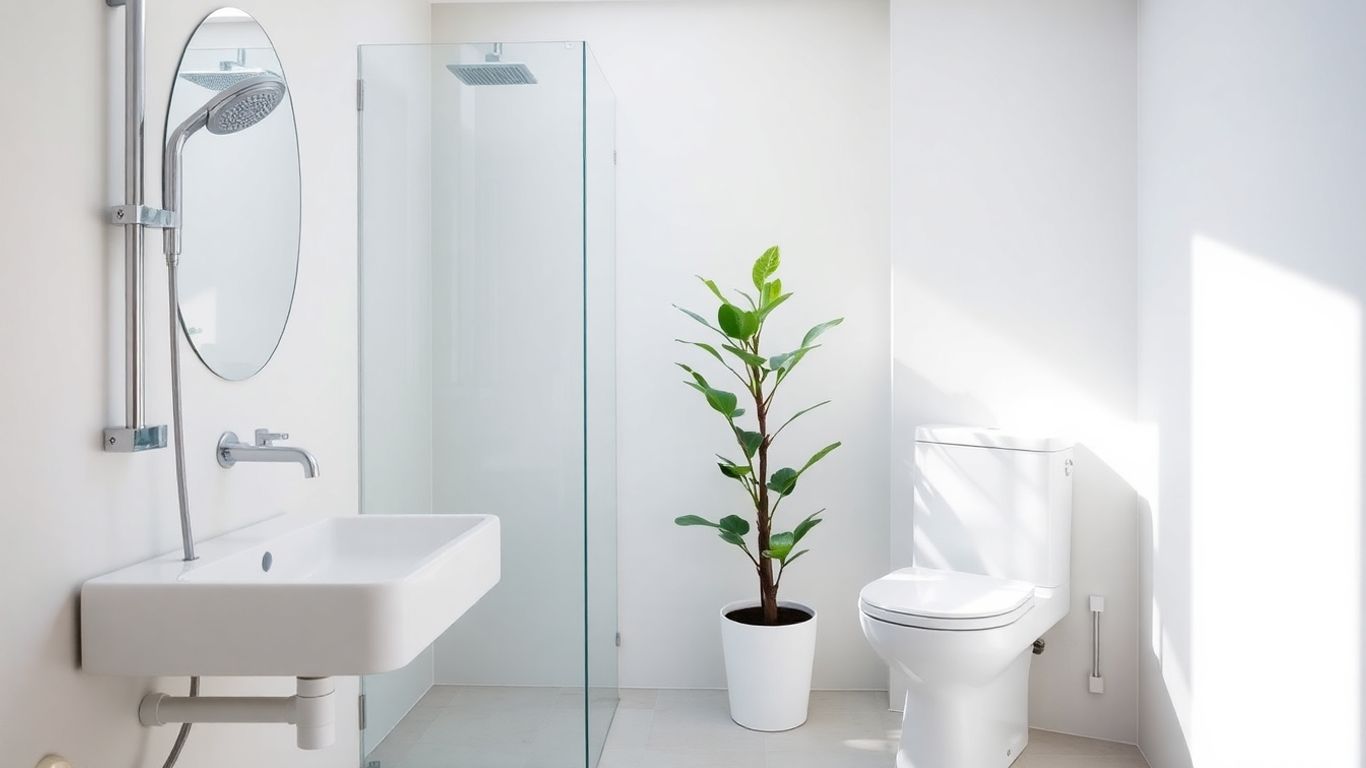
When we think about bathroom remodels, we often focus on aesthetics – new tiles, a fancy vanity, maybe a bigger tub. But we should also be thinking about how our choices impact our water usage. It’s not just about saving money on the water bill, though that’s a nice perk. It’s also about being more responsible with a resource that isn’t limitless. Making smart fixture choices is a straightforward way to cut down on water consumption without sacrificing comfort or style.
Low-Flow Toilets And Showerheads
Toilets are big water users in any home. Older models can use up to 3.5 gallons per flush (gpf) or even more. That adds up fast! Modern low-flow toilets, on the other hand, use 1.28 gpf or less. We found that switching to a high-efficiency toilet (HET) can save a significant amount of water over time. For example, a family of four could save thousands of gallons per year just by upgrading their toilets.
Similarly, showerheads have come a long way. Standard showerheads can use 2.5 gallons per minute (gpm) or more. Low-flow showerheads, however, are designed to use 2.0 gpm or less, with some models as low as 1.5 gpm. Don’t think low-flow means a weak shower; many newer models provide a satisfying spray while using much less water. Look for the WaterSense label when shopping – it’s a good indicator of efficiency.
Here’s a quick comparison:
| Fixture Type | Old Model Usage | Low-Flow Model Usage | Water Savings (per minute/flush) |
|---|---|---|---|
| Toilet | 3.5+ gpf | 1.28 gpf | 2.22+ gallons per flush |
| Showerhead | 2.5+ gpm | 2.0 gpm | 0.5+ gallons per minute |
Water-Efficient Faucets And Aerators
Don’t forget about the faucets! Just like showerheads, faucets can be a major source of water waste, especially if they have a high flow rate or a leaky handle. Standard bathroom faucets typically flow at around 2.2 gpm. By choosing faucets with a flow rate of 1.5 gpm or less, we can reduce water use significantly. This is especially noticeable when we’re just running the water to brush our teeth or wash our hands.
Another simple and inexpensive upgrade is installing faucet aerators. These small devices screw onto the end of the faucet spout and introduce air into the water stream, reducing the flow without sacrificing pressure. Most older faucets don’t have them, or they have older, less efficient ones. Replacing an old aerator with a WaterSense-labeled one can cut faucet water use by up to 30%. It’s a small change that makes a real difference.
We recommend looking for:
- Faucets with a flow rate of 1.5 gpm or lower.
- WaterSense-labeled aerators for existing faucets.
- Single-handle faucets, which often allow for quicker temperature adjustment and less wasted water.
Making these fixture upgrades isn’t just about being green; it’s a practical step towards a more sustainable home. The technology is there, and the savings are real. We can enjoy a modern bathroom that’s also kind to the planet and our wallets.
Optimizing Lighting And Ventilation
When we think about bathroom remodels, we often focus on the big stuff like new tiles or a fancy tub. But what about how we light the space and keep the air fresh? These things matter a lot for energy use and comfort.
Energy-Efficient Lighting Solutions
Lighting can be a big energy hog if we’re not careful. Old incandescent bulbs are really inefficient, turning most of the electricity they use into heat instead of light. We should definitely look into switching to LEDs. They use way less power and last much longer, which means fewer replacements too. Think about where you need light most. Task lighting over the vanity is important for getting ready, and we can use dimmer switches to control the brightness and save energy when full power isn’t needed. Even the color of the light matters; a warmer tone can make the bathroom feel more relaxing.
- LEDs use up to 80% less energy than traditional bulbs.
- Consider dimmers for adjustable brightness and energy savings.
- Choose the right color temperature for the mood you want.
Ventilation Strategies For Moisture Control
Bathrooms produce a lot of moisture from showers and baths. If this moisture isn’t removed properly, it can lead to mold and mildew problems, which aren’t good for our health or the house. A good exhaust fan is key here. We need to make sure the fan we choose is powerful enough for the size of our bathroom. It’s not just about turning it on when we shower; we need to run it for a bit afterward to clear out the remaining humidity. Some newer fans even have humidity sensors that turn them on automatically when the moisture level gets too high. That’s a smart way to handle it without us having to remember.
Proper ventilation is more than just comfort; it’s about protecting the structure of your home from moisture damage and preventing unhealthy mold growth. A well-functioning fan system is a small investment that pays off in the long run.
- Install an exhaust fan rated for your bathroom’s square footage.
- Run the fan during and for at least 20 minutes after showering.
- Look into humidity-sensing fans for automatic operation.
Sustainable Materials And Construction Practices
When we’re thinking about a bathroom remodel, it’s easy to get caught up in the aesthetics – the tiles, the vanity, the fixtures. But what about the stuff that goes behind the walls, and the way we put it all together? We’ve found that paying attention to sustainable materials and how we build can make a big difference, not just for the planet, but for our homes too. It’s about making choices that last and that have a lighter footprint.
We’ve been looking into materials that are better for the environment. This isn’t just about recycled content, though that’s a part of it. It’s also about where materials come from, how they’re made, and what happens to them at the end of their life. For instance, instead of standard drywall, we might consider options with recycled gypsum or even natural plasters. For flooring, think about bamboo, cork, or reclaimed wood. These materials often have a lower embodied energy, meaning less energy was used to produce and transport them. We also want to look at paints and sealants with low or zero VOCs (volatile organic compounds). These are better for indoor air quality, which is a big plus in a room like the bathroom where moisture can be an issue.
- Consider reclaimed wood for vanities or shelving. It adds character and keeps good materials out of the landfill.
- Look for tiles made from recycled glass or porcelain. Many manufacturers now offer beautiful options.
- Opt for low-VOC paints and adhesives. This improves air quality and reduces harmful emissions.
Making informed material choices upfront can lead to a healthier home and a more responsible remodel. It’s a bit more research, but the long-term benefits are worth it.
Beyond just the materials, the process of building matters. We’ve learned that partnering with builders who prioritize sustainable practices can really change the game. These aren’t just builders who talk the talk; they walk the walk. They might focus on waste reduction during construction, meaning they’re careful about cutting materials and recycling scraps. They might also be skilled in techniques that improve a home’s energy performance from the start, like proper insulation installation or air sealing. Finding a builder who understands and values these principles means we can trust that our remodel is being done with a long-term perspective in mind. It’s about building it right, the first time, with an eye towards efficiency and durability.
- Ask potential builders about their waste management plans. How do they handle construction debris?
- Inquire about their experience with energy-efficient building techniques. Do they understand air sealing and insulation?
- Look for builders who are transparent about their material sourcing. Where do their products come from?
We’ve found that a good builder can guide us through these decisions, helping us select materials and methods that align with our goals for a sustainable and efficient bathroom.
Wrapping Up Your Efficient Bathroom Remodel
So, we’ve looked at a bunch of ways to make your bathroom remodel more energy-friendly. From picking out the right lights and faucets to thinking about how your ventilation works, every choice adds up. It might seem like a lot to consider, but making these smart decisions now means you’ll save money on your bills later and feel good about doing your part for the environment. We hope this guide helps you create a bathroom that’s not just good-looking, but also kind to your wallet and the planet.
Frequently Asked Questions
How can we make our bathroom use less water during a remodel?
We can choose toilets and showerheads that use less water, often called ‘low-flow’ options. Also, picking faucets with aerators, which mix air into the water stream, helps reduce water usage without sacrificing pressure. These small changes add up to significant water savings over time.
What are the best ways to save energy on lights and air movement in our bathroom?
For lighting, we should look into using LED bulbs, as they use much less electricity than old incandescent bulbs and last longer. To manage moisture, we can install a good ventilation fan that runs efficiently, helping to prevent mold and keep the air fresh without wasting energy.
Should we think about the materials we use when remodeling our bathroom for better energy use?
Absolutely. When we select building materials, we can opt for eco-friendly ones that require less energy to produce or are made from recycled content. Additionally, working with builders who specialize in green construction practices ensures that our remodel is as energy-efficient and environmentally sound as possible from start to finish.
