


With monsoon season approaching, we wanted to share some straightforward stucco care and exterior paint tips. Getting your home ready now can save you a lot of hassle later. We’ll go over some simple stucco maintenance tips to make sure your walls are in good shape before the heavy rains start. It’s not too complicated, just a few things to check.
Key Takeaways
- Regularly check your stucco for any cracks or damage. Small problems can become big ones if water gets in.
- Clean your stucco surfaces well and think about applying a sealant for extra defense against moisture.
- When painting, pick the right kind of paint for stucco and prepare the surface carefully for the best results.
Essential Stucco Maintenance Tips Before Monsoon Season
Before the monsoon rains hit, it’s a good idea for us to take a close look at our stucco exteriors. We want to make sure everything is in good shape to handle the downpours. A little bit of preventative work now can save us a lot of trouble later.
Inspect Your Stucco For Cracks And Damage
We should start by walking around the entire house and really examining the stucco. Look for any visible cracks, no matter how small they seem. Sometimes, hairline cracks can let water seep in, which can cause bigger problems down the line, like damage to the underlying structure or even mold growth. Pay special attention to areas around windows, doors, and where different materials meet, like where stucco meets brick or wood trim. Also, check for any signs of crumbling or areas where the stucco feels soft or spongy – that could mean moisture has already gotten in.
Address Water Intrusion Points Promptly
If we find any cracks, we need to fix them. For small cracks, we can usually use a good quality stucco patching compound. Just follow the instructions on the product, clean out the crack a bit first, and then fill it in. For larger cracks or areas where we suspect water might be getting behind the stucco, we might need to do a bit more work. This could involve removing loose material and then applying a proper patch. We also need to check any caulking around windows and doors. If it looks old, cracked, or is pulling away, we should remove it and reapply fresh caulk. This is a simple step, but it makes a big difference in stopping water from getting inside.
We often overlook the small details, but when it comes to protecting our homes from heavy rain, those small cracks and gaps are exactly where trouble starts. Taking the time to seal them up is a smart move.
Preparing Your Stucco Exterior For Heavy Rains
Before the monsoon season really kicks in, we need to get our stucco exteriors ready. This isn’t just about making things look nice; it’s about protecting our homes from water damage that can sneak in during heavy downpours. We’ll go over a couple of key steps to make sure our walls can handle whatever the weather throws at them.
Clean Stucco Surfaces Thoroughly
First things first, we need to give our stucco a good cleaning. Over time, dirt, grime, mildew, and even algae can build up on the surface. This gunk doesn’t just look bad; it can actually hold moisture against the stucco, which is the last thing we want before the rains start. A clean surface allows us to see any potential problems more clearly and helps any treatments we apply later stick better.
We can tackle this with a few methods:
- Soft Washing: Using a low-pressure washer with a mild cleaning solution is usually the best bet. We want to avoid high pressure, as that can damage the stucco itself.
- Scrubbing: For tougher spots, a stiff-bristled brush can work wonders, especially when paired with a good stucco cleaner.
- Rinsing: Always rinse thoroughly to remove all cleaning residue. Leftover soap can attract more dirt.
A clean stucco surface is the first line of defense against moisture retention.
Consider Sealing Stucco For Added Protection
Once our stucco is clean and dry, we should think about sealing it. Stucco, while durable, is porous. This means it can absorb water. Applying a quality water-repellent sealer creates a barrier that stops water from soaking in, but still lets the wall breathe. This is super important for preventing freeze-thaw damage in colder climates and general water intrusion during heavy rains.
When choosing a sealer, look for one specifically made for stucco. Some sealers are clear, while others might slightly change the color or sheen of the stucco. We’ll want to test a small, hidden area first to see how it looks.
Applying the sealer is usually straightforward. We can use a roller, a brush, or a sprayer, depending on the product and the size of the area. We’ll need to follow the manufacturer’s instructions carefully, paying attention to drying times and recoating if necessary. Proper application is key to getting the full protective benefit.
Sealing stucco isn’t a permanent fix, but it’s a smart preventative measure. It helps keep water out, which in turn prevents bigger problems like mold growth or structural damage down the line. Think of it as giving your home a raincoat before the storm hits.
Exterior Paint Considerations For Monsoon Readiness
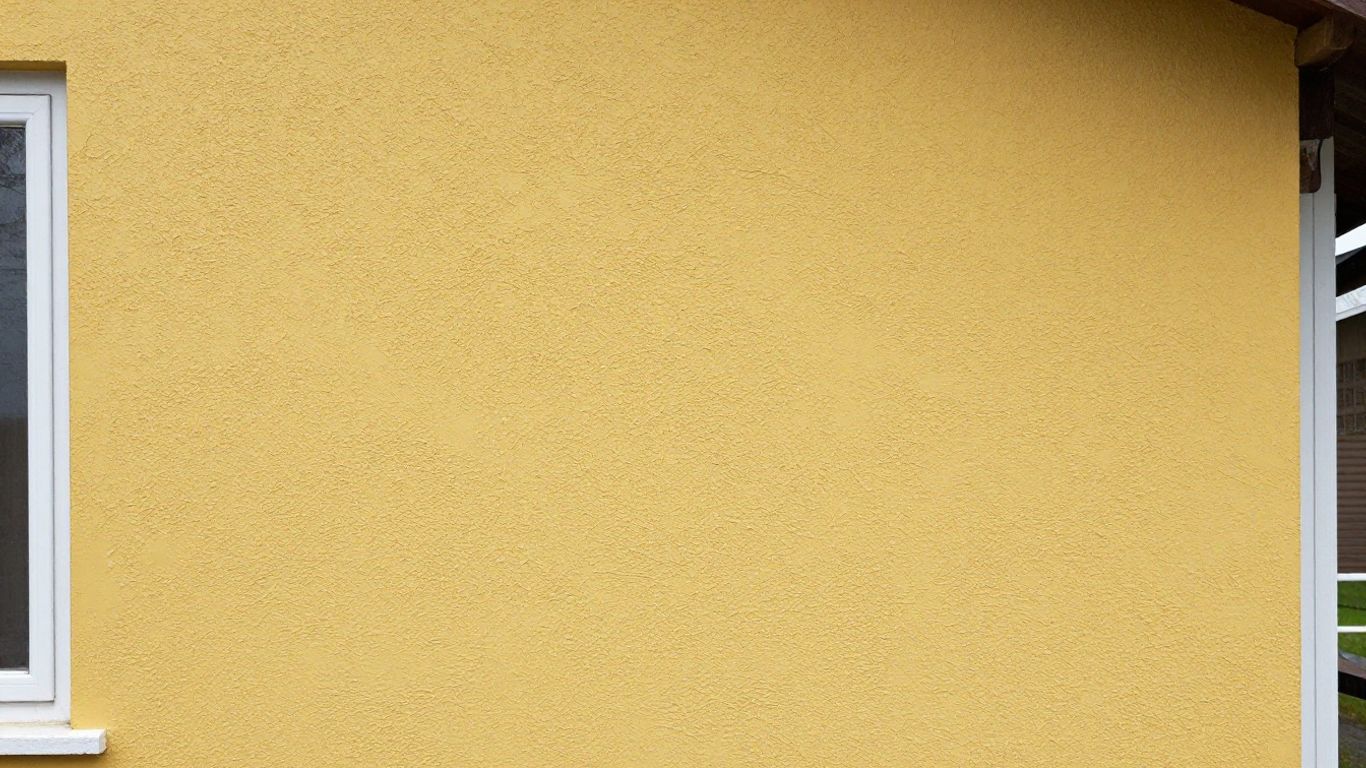
As the monsoon season approaches, we need to think about how our stucco exteriors will hold up against the heavy rains. Painting your home is a big job, and doing it right before the wet weather hits can save you a lot of headaches later. We’ll look at picking the right paint and getting the surfaces ready.
Choosing The Right Paint For Stucco
When we’re selecting paint for stucco, it’s not just about the color. Stucco is a porous material, meaning it can absorb water. If you use the wrong kind of paint, it can trap moisture inside the walls, leading to problems like mold or peeling paint down the line. We want a paint that breathes, allowing moisture vapor to escape.
- Acrylic latex paints are generally our best bet for stucco. They are flexible, meaning they can expand and contract with temperature changes without cracking. This flexibility is key for stucco, which can sometimes shift slightly.
- Look for paints specifically labeled as ‘breathable’ or ‘vapor-permeable’.
- Consider a paint with a good mildew resistance. The damp conditions of monsoon season can encourage mold and mildew growth, and a paint with these properties will help keep your walls looking clean.
Proper Surface Preparation For Painting Stucco
We can’t stress this enough: proper prep work is half the battle, especially before the rains. A good paint job starts with a clean, sound surface. If we skip these steps, even the best paint won’t last.
Here’s what we should focus on:
- Cleaning: We need to wash down the entire stucco surface. This means removing dirt, grime, chalking paint, and any mildew or algae that might have started growing. A pressure washer on a low setting can work, or we can use a stiff brush and a good cleaning solution. Make sure to rinse thoroughly.
- Repairing: Before we even think about painting, we need to fix any cracks or damage we found during our inspection. Small cracks can be filled with a flexible stucco caulk. Larger holes or damaged areas might need patching with new stucco mix. Let any repairs cure completely according to the product instructions.
- Priming: Applying a quality primer is a really good idea. A good primer will help the paint adhere better to the stucco, especially over repaired areas. It also helps to seal the surface and provide a uniform base for the topcoat, making the final color look more even.
Skipping the prep work is like building a house on sand; it might look okay for a while, but the first strong wind – or in our case, rain – will show you the mistakes. We want our paint job to last, and that means taking the time to do it right from the start.
We should aim to complete any painting well before the monsoon rains are expected. This gives the paint enough time to cure properly, developing its full durability and resistance to the elements. Rushing this process can lead to premature failure of the paint job.
Wrapping Up Our Monsoon Prep
So, we’ve gone over how to get your stucco ready and what to think about with exterior paint before the big rains hit. It might seem like a lot, but taking these steps now can save us a headache later. We want our homes to stand up to the weather, and a little bit of work beforehand makes a big difference. Think of it as giving your house a good check-up. We hope these tips help you feel more prepared. Now, let’s get those homes ready for whatever the monsoon season brings.
Frequently Asked Questions
What are the first things we should check on our stucco before the heavy rains start?
Before the monsoon season hits, we must carefully look over our stucco for any cracks or damage. It’s also important to check for any spots where water might be getting in, like around windows and doors, and fix those right away to prevent bigger problems later.
Should we clean our stucco before the rainy season, and why?
Yes, we absolutely should clean our stucco surfaces. Getting rid of dirt, mold, or mildew now will help us see any hidden issues and make sure any protective sealants or paints we apply will stick properly and do their job best.
How can we best protect our stucco walls from the monsoon rains?
To give our stucco extra defense against the heavy rains, we can consider applying a sealant. This creates a barrier that helps keep water out, preventing it from soaking into the walls and causing damage. It’s a good extra step for peace of mind.
