


As we look towards building new homes this spring, we’re thinking about ways to make them more sustainable. Water use is a big part of that. We’ve been looking into different sustainable home water systems that can be put in place right from the start. It’s about being smart with resources and building homes that are better for the environment. Let’s explore some of these options.
Key Takeaways
- Setting up rainwater harvesting involves collecting rain, storing it, and then using it for things like watering gardens or flushing toilets. This reduces reliance on treated water supplies.
- Greywater recycling takes water from sinks, showers, and washing machines, treats it simply, and then reuses it for non-drinking purposes, cutting down overall water consumption.
- Incorporating these sustainable home water systems during new construction is often simpler and more cost-effective than retrofitting them later.
Rainwater Harvesting Systems For Sustainable Home Water
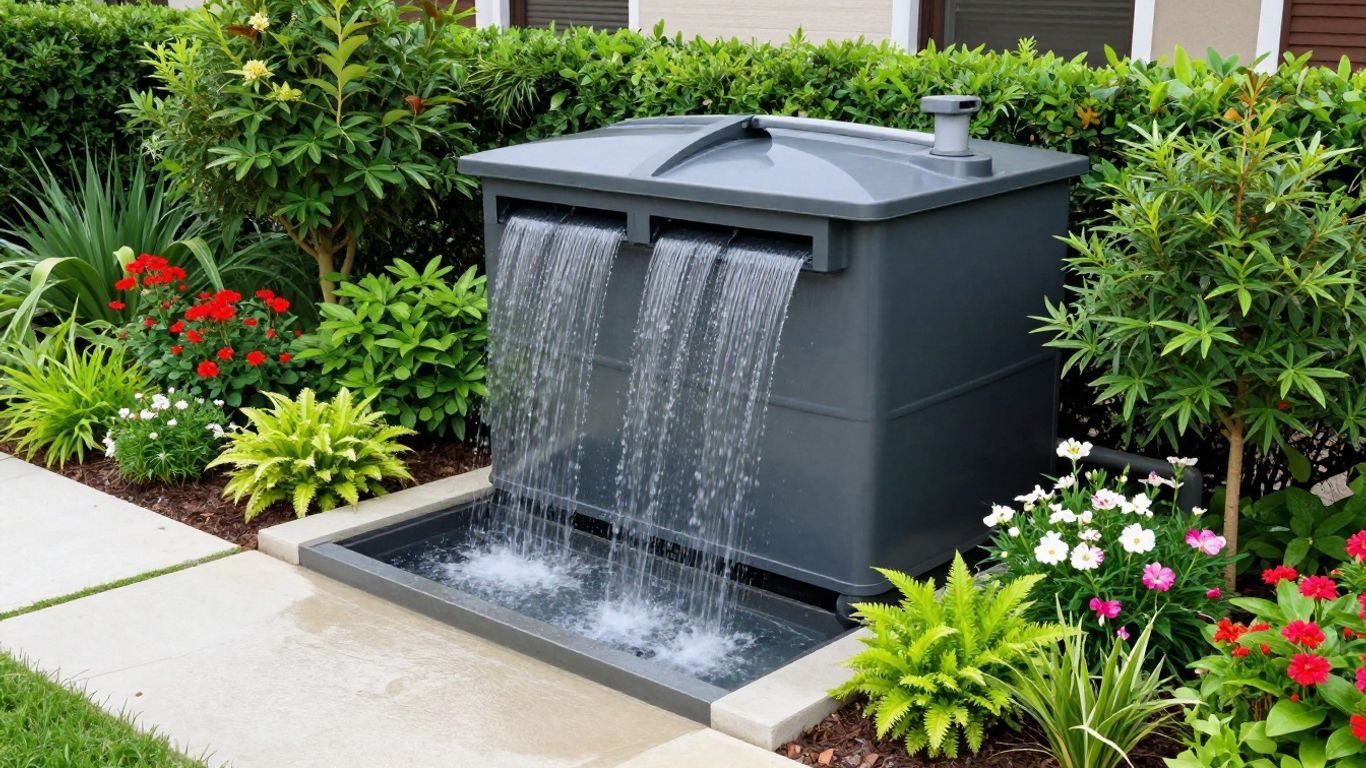
As we look towards building more sustainable homes this spring, incorporating rainwater harvesting systems is a smart move. We’ve all seen the rain, and instead of letting it just run off into the storm drains, we can capture it. This collected water can then be used for various non-potable purposes around the house, significantly reducing our reliance on treated municipal water. It’s a practical way to conserve a precious resource and can even lead to lower water bills over time. Thinking about how much water falls on a typical roof, the potential for collection is quite large.
Components Of A Residential Rainwater Harvesting System
Setting up a rainwater harvesting system involves a few key parts working together. It’s not overly complicated, but each piece plays an important role in getting the water from the sky to where we can use it.
- Catchment Area: This is usually the roof of your house. The surface needs to be clean and made of materials that won’t contaminate the water. Metal, tile, or asphalt shingles are common choices.
- Gutters and Downspouts: These direct the water from the roof to the storage system. Keeping them clear of debris is important for efficient collection.
- First-Flush Diverter: This device diverts the initial flow of rainwater, which often carries the most dirt and debris from the roof. It helps keep the stored water cleaner.
- Storage Tank: This is where the collected water is held. Tanks come in various sizes and materials, like polyethylene or concrete, and can be placed above or below ground.
- Filtration System: Before the water is used, it typically goes through filters to remove any remaining sediment or particles. The level of filtration depends on the intended use.
- Distribution System: This includes pumps and pipes that move the water from the tank to where it’s needed, such as garden hoses or toilets.
Benefits Of Integrating Rainwater Harvesting
Beyond just saving water, there are several good reasons to put in a rainwater harvesting system.
- Water Conservation: This is the big one. By using rainwater, we lessen the demand on local water supplies, which can be strained, especially during dry periods.
- Reduced Stormwater Runoff: Capturing rainwater helps reduce the amount of water flowing into storm drains. This can lessen the burden on municipal sewer systems and help prevent localized flooding.
- Lower Water Bills: Using free rainwater for things like watering the garden or flushing toilets means you’re using less metered water, which translates to savings.
- Improved Plant Health: Rainwater is naturally soft and free of the chemicals often found in tap water, like chlorine. Many plants actually thrive better with it.
We’ve found that many homeowners are surprised by how much water they can collect, even in areas that don’t get extreme rainfall. It’s about making the most of what nature provides.
Here’s a quick look at potential collection amounts, assuming a roof area and average rainfall. These are just estimates, of course:
| Rainfall (inches) | Roof Area (sq ft) | Gallons Collected (approx.) |
|---|---|---|
| 1 | 1,000 | 623 |
| 1 | 2,000 | 1,246 |
| 2 | 1,000 | 1,246 |
| 2 | 2,000 | 2,492 |
Greywater Recycling For Efficient Water Use
We’re seeing more and more interest in how we can reuse water around the home, and greywater recycling is a big part of that. It’s not about reusing the water from your toilet, mind you. That’s blackwater, and it needs a different kind of treatment. Greywater, on the other hand, comes from our showers, sinks (not the kitchen sink, usually), and washing machines. It’s generally less contaminated and can be treated and reused for things like flushing toilets or watering our gardens.
Understanding Greywater Sources And Treatment
So, what exactly counts as greywater? Primarily, it’s water from your bathroom sinks, showers, and bathtubs. Washing machine discharge also falls into this category. The key thing is that it hasn’t come into contact with human waste. Kitchen sink water is often excluded because of food particles and grease, which can be harder to treat and might clog systems. Treating greywater doesn’t have to be complicated. For simple applications, like garden irrigation, it might just involve a basic filter to catch hair and lint. More complex systems, especially if you plan to reuse it for toilet flushing, will involve more thorough filtration and possibly disinfection. We need to be mindful of the soaps and detergents we use, too. Choosing biodegradable, low-sodium options is a good idea to keep the water cleaner and safer for reuse.
Implementing Greywater Systems In New Construction
Putting in a greywater system during new construction is much simpler than retrofitting one into an existing home. We can plan the plumbing from the start. This means running separate pipes for greywater, distinct from the blackwater pipes. It also allows us to strategically place the treatment and storage tanks. Here are a few things to think about:
- System Type: Decide if you need a simple diversion system for irrigation or a more involved system for toilet flushing.
- Filtration Needs: Based on your intended use, select the right level of filtration.
- Storage: Plan for a storage tank if you won’t be using the greywater immediately.
- Regulations: Always check local building codes and regulations regarding greywater systems. They can vary quite a bit.
When we build new homes, we have a real chance to integrate water-saving technologies from the ground up. It’s far more efficient and cost-effective than trying to add these features later. Thinking about greywater now means we can design our homes to be more sustainable from day one.
We’ve found that many homeowners are interested in reducing their water bills and their environmental footprint. Greywater recycling offers a practical way to do both. It’s a smart feature that pays off over time, both financially and in terms of resource conservation.
Wrapping Up
So, as we look ahead to building this spring, we’ve covered some pretty neat ways to bring water harvesting into new homes. It’s not just about being good to the planet, though that’s a big part of it. These features can actually save us money on water bills over time, and make our properties more resilient when the weather gets a bit wild. We hope this gives you some good ideas to talk over with your builders. Thinking about water now means a better, more sensible home for years to come. Let’s make our new builds smarter and greener.
Frequently Asked Questions
What exactly is rainwater harvesting, and why should we consider it for our new home?
Rainwater harvesting is basically collecting rain that falls on our roofs and storing it for later use. It’s a smart way to use a free resource that nature gives us. By doing this, we can cut down on how much water we pull from the city’s supply, which is good for the environment and can also lower our water bills. Think of it as having your own personal water reserve for things like watering the garden or flushing toilets.
Is greywater recycling complicated to set up in a new house?
Setting up greywater recycling isn’t as tricky as it might sound, especially when we’re building a new home from the ground up. It involves using water from sinks, showers, and washing machines – water that’s still pretty clean – for things like irrigation. We can design the plumbing to separate this greywater from the wastewater from toilets. It requires a few extra pipes and possibly a simple filter, but it’s a straightforward process during construction that leads to significant water savings down the line.
How much water can we realistically save by using these systems?
The amount of water we can save really depends on a few things, like how much rain we get in our area and how much greywater we generate. However, many homes find they can reduce their regular water usage by a good chunk, sometimes even by 30% or more! Collecting rainwater can provide a substantial supply for outdoor needs, and recycling greywater means we’re not wasting water that’s already been used once. It’s a powerful combination for making our water use much more efficient.
