


As we build our homes today, we’re seeing more and more smart technology come into play. It’s changing how we think about construction and what we expect from our living spaces. We’re not just putting up walls and a roof anymore; we’re creating environments that can respond to our needs. This shift in smart home construction means our houses can do more for us, from managing the temperature to keeping us safe. We’re going to look at how this technology fits into new builds and what it means for making our homes better places to live.
Key Takeaways
- When we plan for smart home construction, we’re setting up the wiring and systems needed for all sorts of connected devices. This makes it simple to add new gadgets later on without big problems.
- Putting smart tech into new homes means devices work together well. We can control lights, heating, and security all from one place, making daily life much easier.
- Smart home construction can make our houses safer and more comfortable. Automated systems can adjust heating and cooling for us, and security features give us peace of mind.
Integrating Smart Technology into Smart Home Construction
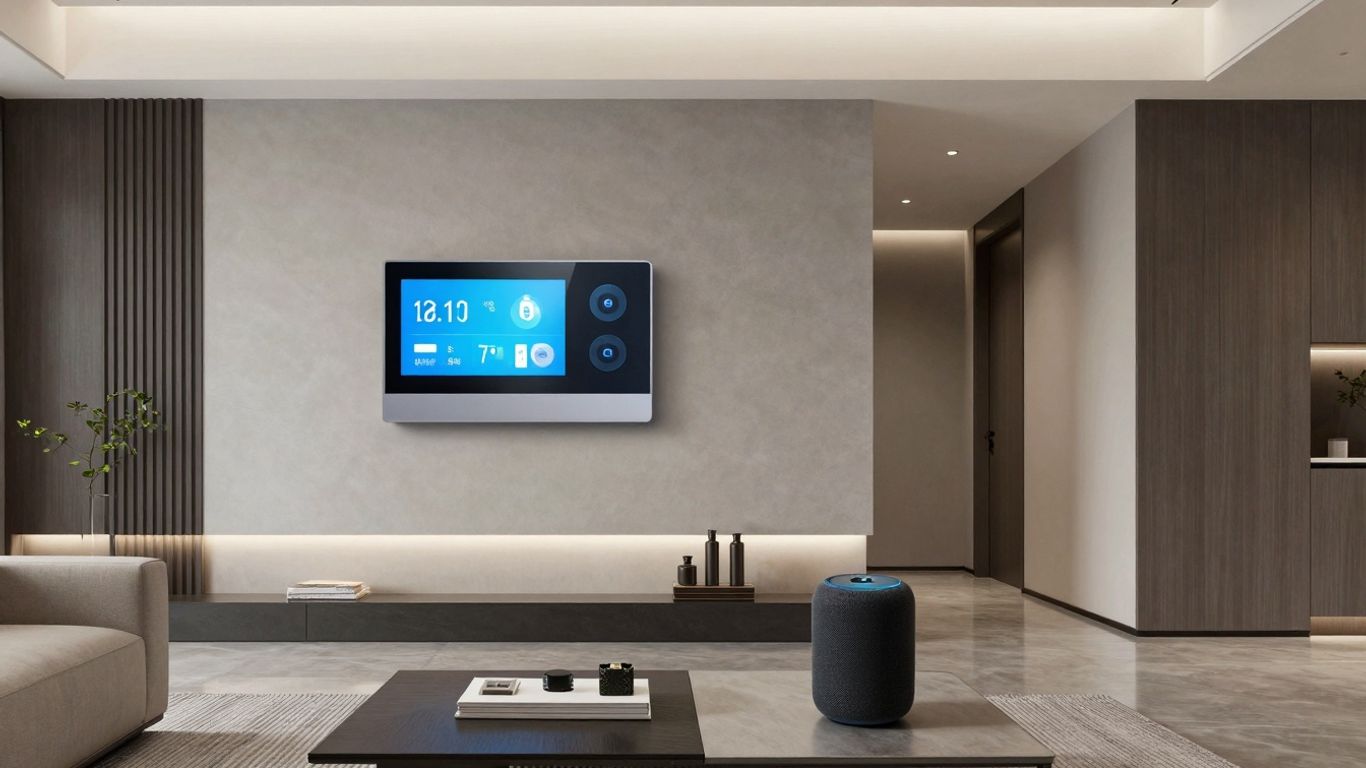
When we talk about building smart homes today, it’s not just about adding a few gadgets after the fact. We’re thinking about how to build the house with smart tech in mind from the very beginning. It’s about laying the groundwork so everything works together nicely, now and down the road.
Foundation For Future Connectivity
Think of it like wiring a house for electricity, but for data. We need to plan for the wires, the access points, and the power needed for all the smart devices we’ll want to use. This means thinking about:
- Network Infrastructure: Running robust Ethernet cables to key locations, not just relying on Wi-Fi. This gives us a stable backbone for our network.
- Power Management: Making sure there are enough outlets and considering smart electrical panels that can manage and monitor energy use.
- Central Hubs: Planning where a central smart home hub or server might go, giving it a dedicated space with good ventilation and power.
This upfront planning is key to avoiding future headaches. We want to make sure the house can handle whatever new tech comes out, without needing major renovations later.
Building a smart home from scratch means we can put all the necessary wiring and infrastructure in place before the walls go up. This makes for a cleaner install and a more reliable system overall. It’s much easier to run cables when there’s no drywall in the way.
Seamless Integration Of Devices
Once the basic infrastructure is in place, the next step is making sure all the different smart devices can talk to each other. We’re not just plugging things in; we’re creating a connected ecosystem.
- Standardization: Choosing systems that use common protocols like Zigbee, Z-Wave, or Matter helps ensure devices from different brands can communicate.
- Centralized Control: Setting up a system where one app or voice assistant can control lights, thermostats, locks, and entertainment systems makes life simpler.
- Automation Routines: Programming actions to happen automatically, like lights turning on at sunset or the thermostat adjusting when we leave the house.
We’ve found that a well-integrated smart home feels less like a collection of gadgets and more like a single, responsive environment. It’s about making technology work for us, quietly in the background, making our homes more comfortable and efficient.
Enhancing Livability Through Smart Home Construction
When we talk about building homes today, it’s not just about walls and roofs anymore. We’re looking at how technology can make our living spaces genuinely better, more comfortable, and safer. It’s about making the house work for us, not the other way around. Smart home tech is really changing how we experience our homes.
Automated Comfort And Convenience
Think about walking into your house after a long day. Wouldn’t it be nice if the lights were already on, set to a relaxing level, and the temperature was just right? Smart home systems can do that. We can set schedules for lighting, heating, and cooling, so your home is always ready for you. It’s not just about setting it and forgetting it, though. Many systems learn your habits. If you tend to turn the thermostat up around 7 PM, it might start doing that automatically.
Here are a few ways this makes life easier:
- Climate Control: Adjusting the temperature remotely or letting the system manage it based on occupancy and weather forecasts. No more coming home to a freezing house in winter.
- Lighting Management: Lights can turn on when you enter a room and off when you leave, saving energy. You can also set mood lighting for different activities, like reading or watching a movie.
- Appliance Integration: Imagine your coffee maker starting automatically when your alarm goes off, or your oven preheating on your way home from work. Some systems even let you monitor and control appliances from your phone.
We’re moving past the idea of a ‘smart’ device just doing one thing. Now, it’s about how these devices work together. Your thermostat can talk to your smart blinds, for instance, to keep the house cool without using as much AC. It’s a more connected, thoughtful way to live.
Boosting Home Security And Safety
Beyond just comfort, smart technology plays a big role in keeping our homes and families secure. We’re seeing a lot more interest in systems that give homeowners peace of mind, even when they’re away.
Consider these aspects:
- Smart Locks: These allow you to lock and unlock your doors remotely. You can grant temporary access to guests or service providers without needing to be there. Plus, you get notifications about who enters and when.
- Security Cameras and Doorbells: High-definition cameras, often with motion detection and two-way audio, let you see and speak to visitors at your door from anywhere. Some systems can even distinguish between people, pets, and vehicles, reducing false alarms.
- Environmental Sensors: Devices that detect smoke, carbon monoxide, or water leaks can send immediate alerts to your phone. This early warning can be critical in preventing serious damage or danger.
The integration of these safety features means we can monitor our homes more effectively than ever before. It’s about having a digital guardian that’s always watching out for potential issues, whether it’s a stranger at the door or a leaky pipe in the basement.
Looking Ahead
As we wrap up our look at smart tech in new homes, it’s clear this isn’t just a passing trend. We’ve seen how these systems can make our houses more comfortable, safer, and even help us save a bit on bills. It’s not about having a house that talks back to you, but about making everyday living a little bit easier and more efficient. For those building or renovating, thinking about these smart features now makes a lot of sense. It’s an investment that pays off in convenience and peace of mind. We’re excited to see how this technology continues to change the way we live in our homes.
Frequently Asked Questions
What are the main benefits of putting smart tech in new houses?
When we build new homes with smart technology from the start, we’re setting them up to be connected easily. This means things like lights, thermostats, and security systems can all work together smoothly. It makes living in the house more comfortable and can even make it safer.
How does smart tech make our homes more comfortable and safe?
Smart technology allows us to automate many tasks. Imagine your lights turning on when you arrive home, or your thermostat adjusting itself to save energy. For safety, we can install smart locks and cameras that let us keep an eye on things even when we’re away, giving us peace of mind.
Is it hard to set up and use all this smart stuff in a new home?
We aim to make it as simple as possible. By planning for smart technology during the building process, we ensure that the wiring and systems are all in place. This makes setting up and using your smart devices much easier than trying to add them to an older home later on.
